
We hope you love the products we recommend! Just so you know, Trendy Mami may collect a share of sales or other compensations from the links on this page.
–
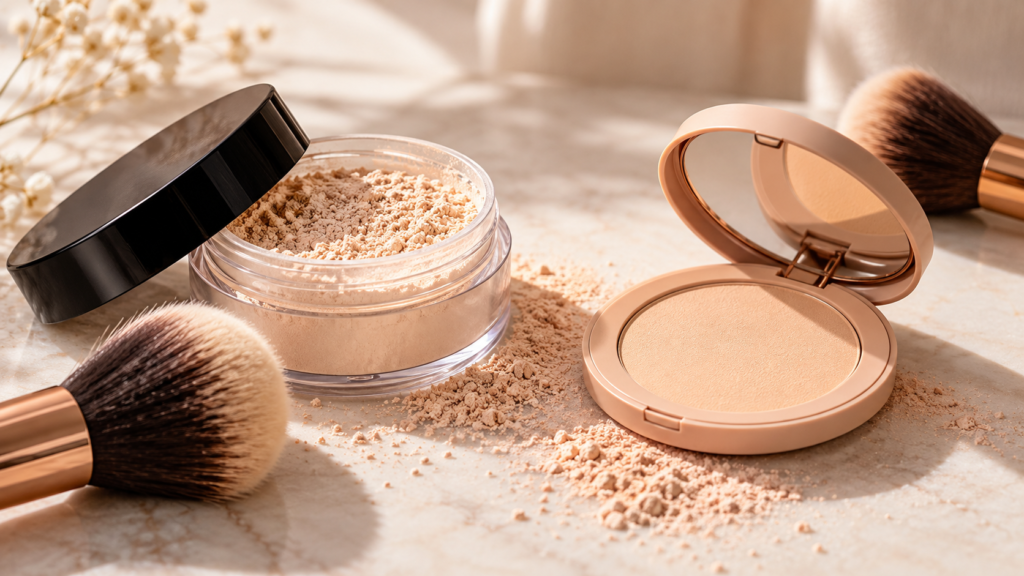
You’ve spent time blending your foundation, perfecting your concealer, and getting everything to look just right. Now comes the part that can make or break your makeup: powder! With so many solid options promising a flawless complexion, figuring out the difference between finishing powder vs setting powder can leave you wondering whether you actually need both — or maybe what both even do.
While setting powder helps keep your makeup in place, finishing powder focuses on smoothing the appearance of your skin and giving your complexion that final polished look. Both can make a pretty noticeable difference in how your makeup looks when you’re done, but knowing when and how to use them matters. Understanding finishing powder vs setting powder can help you avoid common makeup mistakes, like applying too much product, emphasizing dry patches, or ending up with a “cakey” finish.
Whether you’re trying to keep your foundation from sliding around by lunchtime or want that smooth, airbrushed appearance you’ve seen all over social media, choosing the right powder can completely change your results. Before you add another product to your makeup bag, let’s break down finishing powder vs setting powder, how each one works, and which deserves a spot in your everyday beauty routine!
What’s the Difference Between Setting Powder and Finishing Powder?
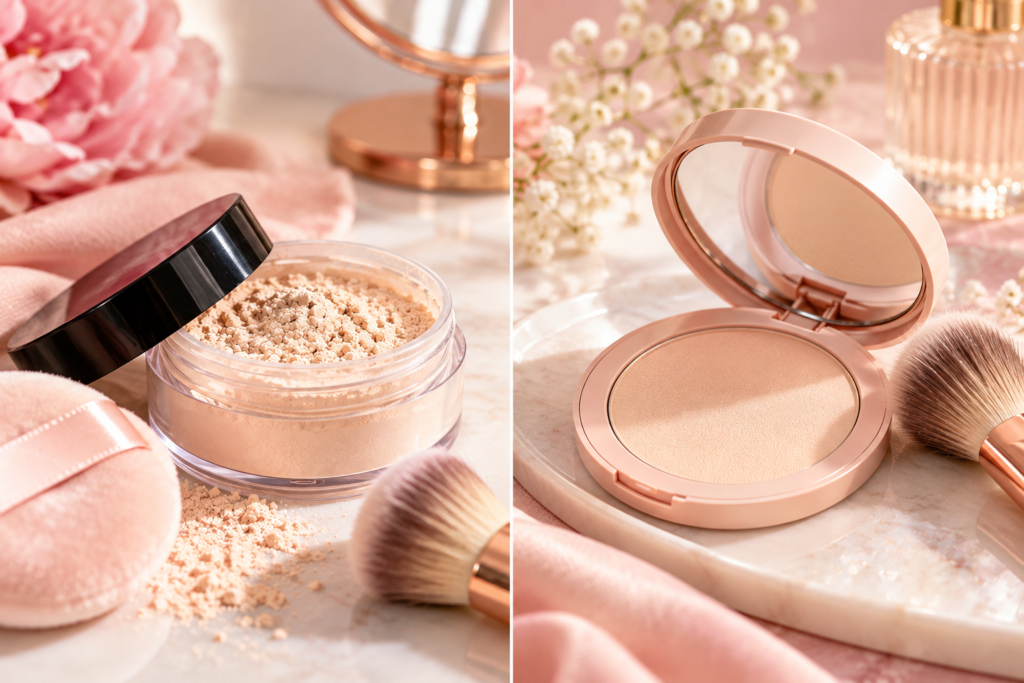
The biggest difference between setting powder and finishing powder comes down to what each product is actually designed to do. Setting powder helps keep your foundation and concealer in place, reduces excess shine, and limits creasing throughout the day. Finishing powder, on the other hand, focuses on the appearance of your completed makeup, helping soften the look of pores, fine lines, and uneven texture.
What Does Setting Powder Do?
Setting powder helps absorb excess oil and hold liquid or cream makeup in place after application. Without it, foundation and concealer can sometimes settle into fine lines, transfer onto clothing, or begin separating as your skin produces oil throughout the day. Most setting powders contain ingredients such as silica, talc, mica, or starches that absorb oil, improve the feel of the formula, or help create a smoother appearance. The exact combination varies by product, which is why some powders feel incredibly lightweight while others provide a more noticeable matte finish.
What Does Finishing Powder Do?
Ever notice how professional makeup sometimes looks especially smooth in photographs? Finishing powder can help create a similar effect by diffusing light and making minor imperfections appear less noticeable.
Many finishing powders contain finely milled particles and ingredients that scatter light, helping soften the appearance of enlarged pores, fine lines, and uneven skin texture. Depending on the formula, the result might be a velvety matte complexion, a subtle glow, or something closer to your skin’s natural finish. Finishing powder is generally applied toward the end of your makeup routine, after your foundation, concealer, and other complexion products are in place.
How Do Their Formulas and Finishes Compare?
Although both products come in powder form, their ingredients, textures, and intended results can be quite different. Setting powders often prioritize oil absorption and makeup wear, while finishing powders tend to emphasize how light reflects off the skin. Here’s a closer look at how they usually compare against each other:
| Feature | Setting Powder | Finishing Powder |
|---|---|---|
| Main purpose | Helps secure makeup and absorb excess oil | Softens the appearance of texture and refines the final look |
| Common finish | Matte, natural, or radiant | Blurred, velvety, or luminous |
| Typical texture | Loose or pressed, with varying particle sizes | Often finely milled for a lightweight appearance |
| Application timing | After foundation and concealer | Near the end of your makeup routine |
| Best suited for | Reducing shine, creasing, and makeup movement | Creating a smoother, more polished complexion |
| Common ingredients | Silica, starches, mica, and other absorbent or texture enhancing ingredients | Silica, mica, and other light diffusing ingredients |
| Application tools | Powder puff, sponge, or fluffy brush | Soft, fluffy makeup brush |
Can You Use Setting Powder and Finishing Powder Interchangeably?
Sometimes, yes! Plenty of modern makeup powders are designed to do more than one job, so you may find a setting powder that gives you the smooth finish you’d normally expect from a finishing powder. I usually don’t use them interchangeably. Instead, I decide which one to reach for based on how my skin looks and feels that day, along with the makeup I’m wearing.
The important thing is to consider what your makeup and skin actually need; if your concealer tends to crease or your foundation becomes oily after a few hours, a traditional finishing powder might not provide enough staying power on its own. Likewise, a heavily mattifying setting powder may control shine beautifully without giving you the subtle blurring effect you’re hoping for.
Do You Need Both Setting Powder and Finishing Powder?
Not necessarily! If your main concern is keeping foundation in place and managing excess oil, a good setting powder might be all you need. If you’re more interested in smoothing the appearance of your complexion, finishing powder could be a better fit. You can certainly use both, but there’s no reason to add an extra product if you’re already happy with how your makeup looks and wears.
Which Goes First, Setting Powder or Finishing Powder?
Setting powder goes on first, after you’ve applied your liquid or cream foundation and concealer. Once the rest of your complexion makeup is finished, you can lightly dust finishing powder over areas where you want a smoother, more polished appearance. You don’t need a heavy layer of either product, especially if your skin tends to look dry or textured when you apply too much powder.
Related: Affordable Korean Beauty Products We Love (Under $35)
What Are the Best Setting Powders for Long Lasting Makeup?
Setting powder is especially useful if your foundation tends to move throughout the day, your concealer creases, or your skin produces excess oil. The right formula can help your makeup stay looking fresh without leaving your complexion feeling overly dry.
Huda Beauty Easy Bake Loose Baking and Setting Powder: Best for Oily Skin and Baking
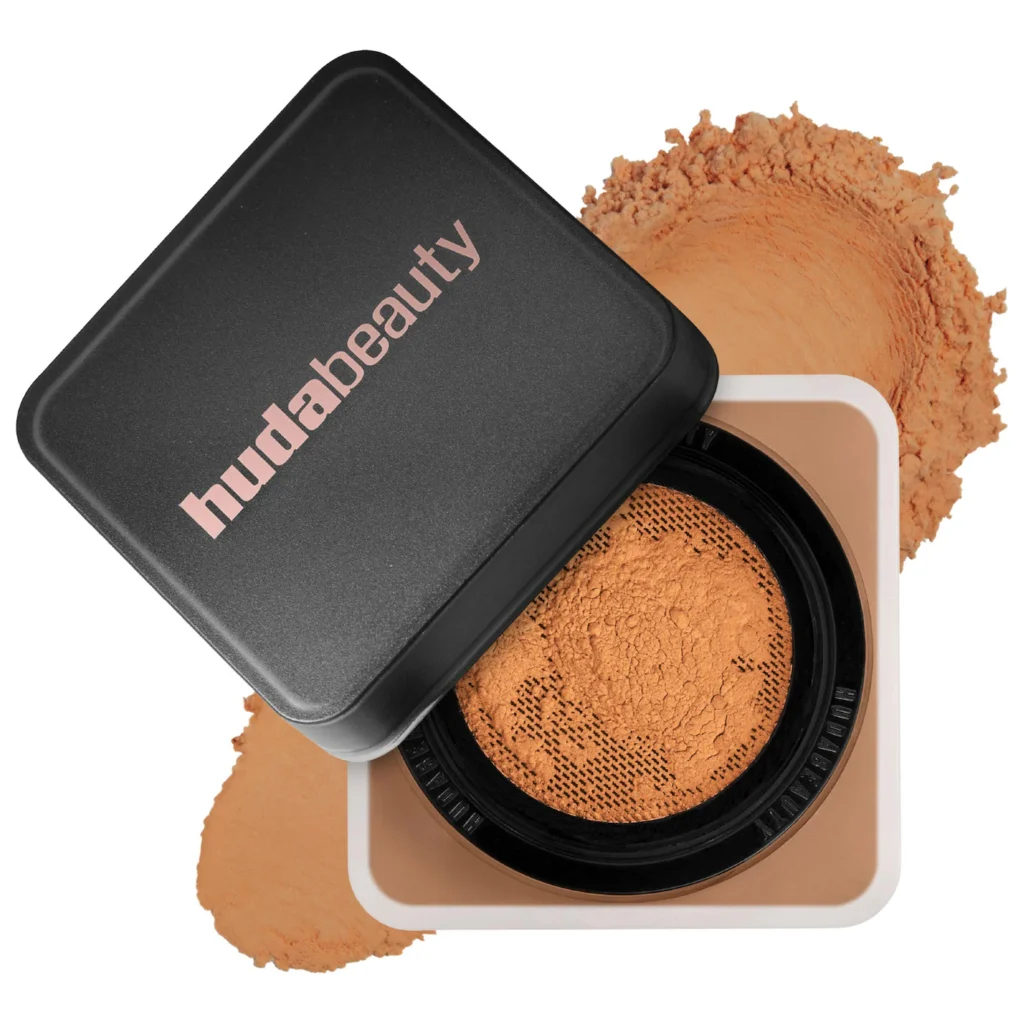
If you’re looking for serious shine control, Huda Beauty Easy Bake Loose Baking and Setting Powder is worth considering. Its formula contains rice starch to absorb excess oil and finely milled powder that helps blur the appearance of pores. It’s particularly appealing if you enjoy baking your makeup or prefer a smooth, matte finish that can hold up through a busy day.
Charlotte Tilbury Airbrush Flawless Finish Setting Powder: Best for a Smooth, Natural Finish
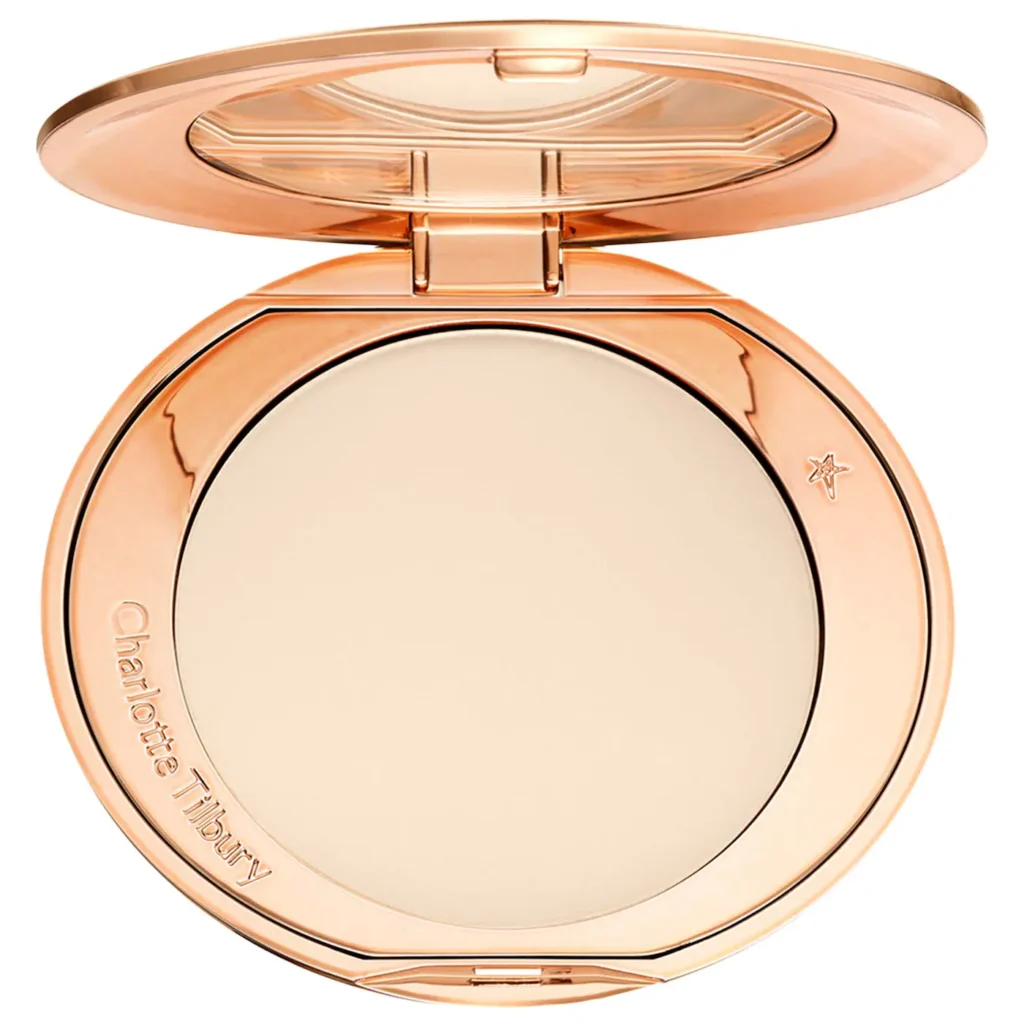
Charlotte Tilbury Airbrush Flawless Finish is a pressed powder that combines setting and blurring benefits. It’s a solid option if you want to reduce shine without creating an excessively powdery appearance. The compact format also makes it easy to keep in your purse for touch ups, especially around the nose and forehead.
Makeup by Mario Soft Blur Setting Powder: Best for a Blurred Complexion
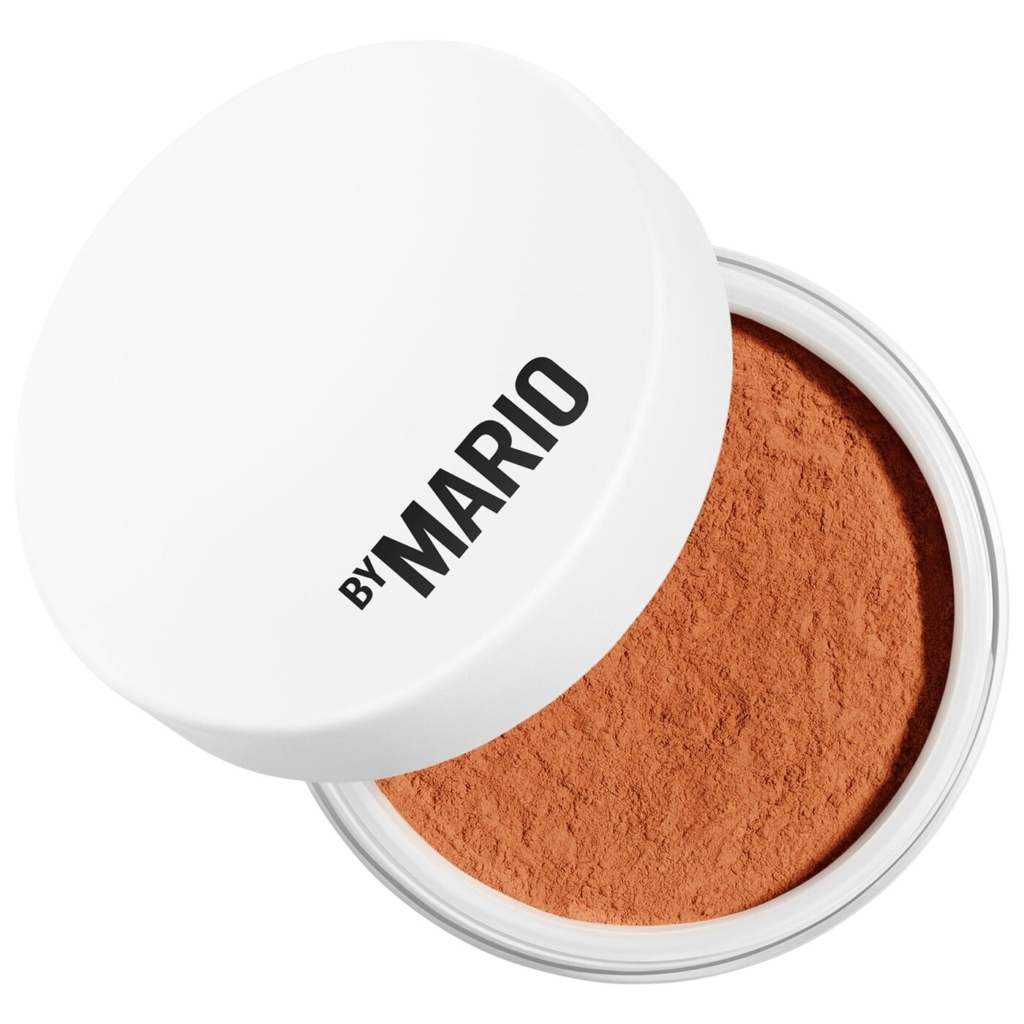
For anyone who loves the appearance of smooth, refined skin, Makeup by Mario Soft Blur Setting Powder is another option to explore. Its blurring focus makes it particularly appealing when you want to set your complexion makeup while minimizing the appearance of visible texture. It’s worth considering for makeup looks where a polished finish matters just as much as controlling shine.
Laura Mercier Translucent Loose Setting Powder: Best for a Classic Setting Routine
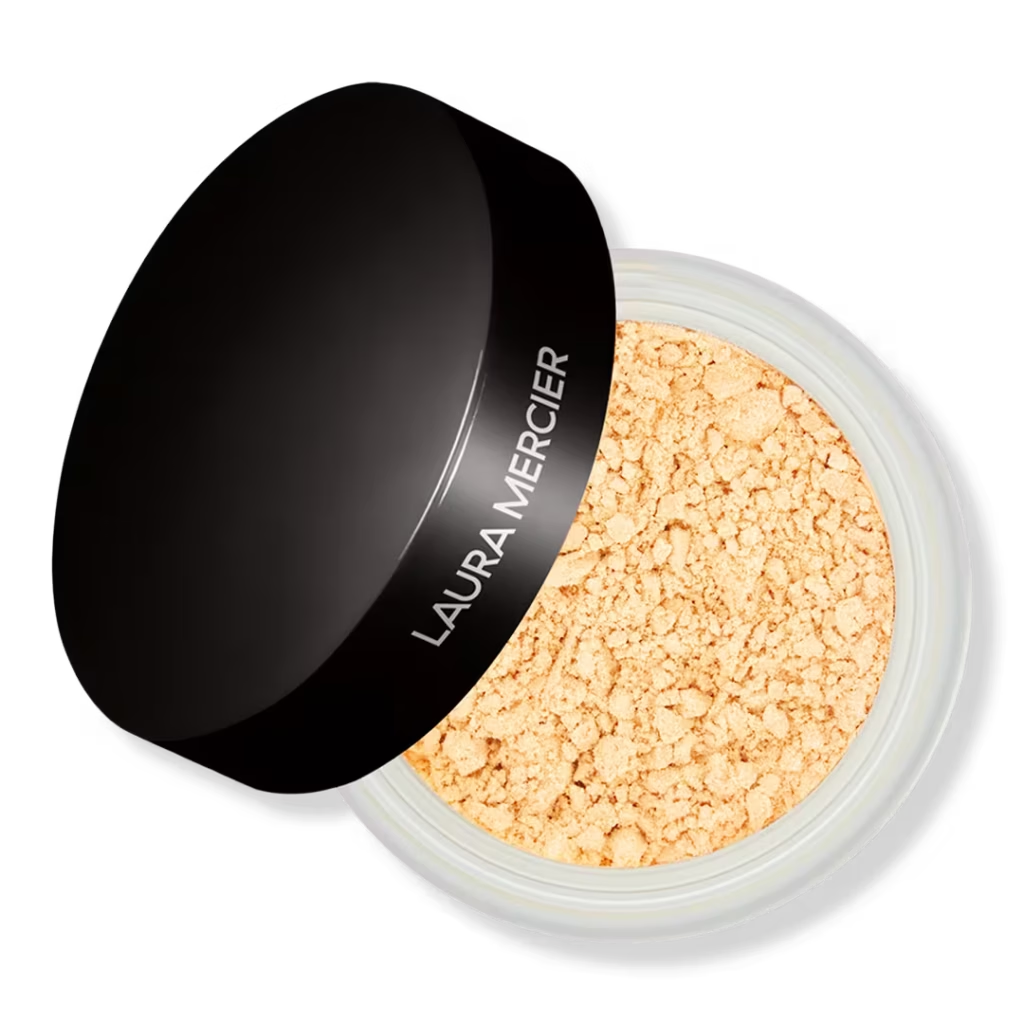
Laura Mercier Translucent Loose Setting Powder is a familiar choice for anyone who prefers traditional loose powder application. It can help set foundation and concealer while reducing unwanted shine.
Clinique Blended Face Loose Setting Powder: Best for a Soft, Natural Looking Complexion
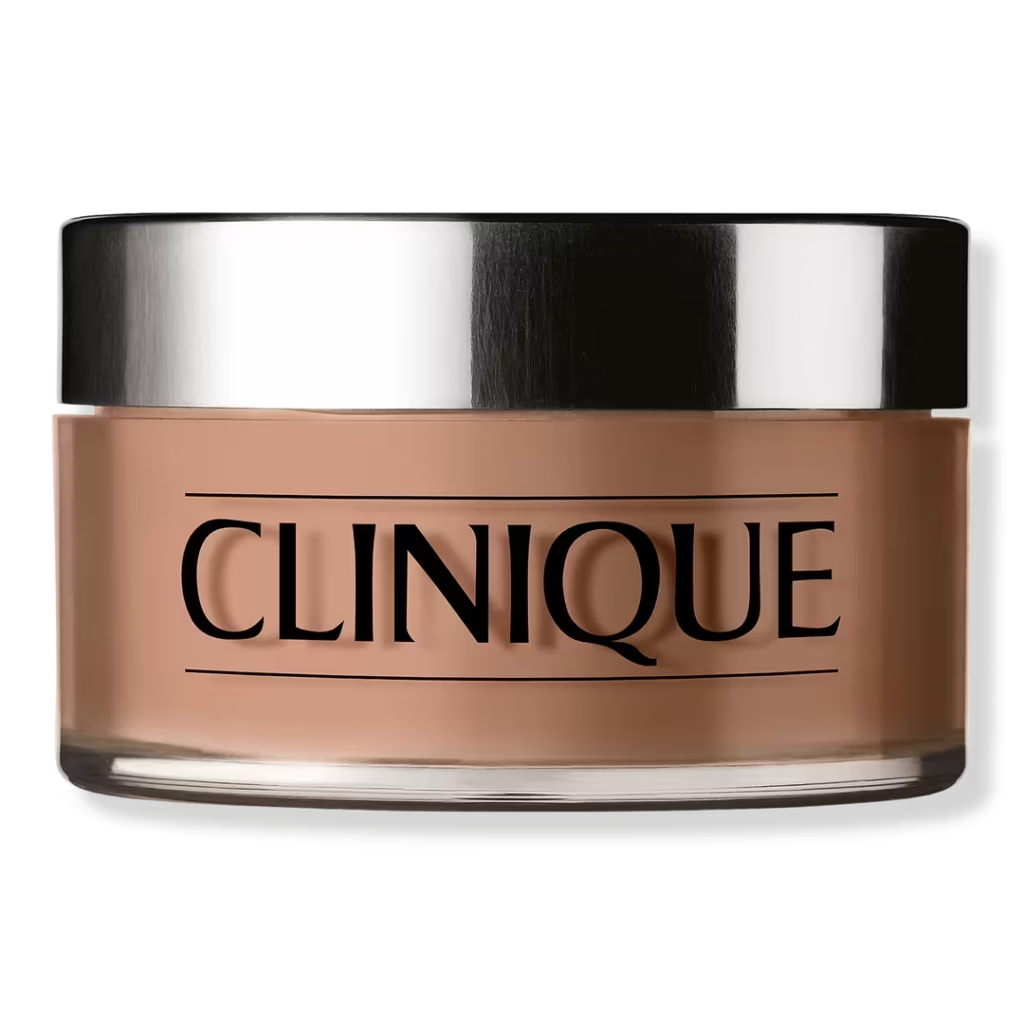
If you prefer makeup that looks understated, Clinique Blended Face Loose Setting Powder is worth a look. This loose powder is designed to help create a smooth, even appearance while setting makeup.
Morphe Bake and Set Setting Powder: Best for Budget Conscious Makeup Lovers
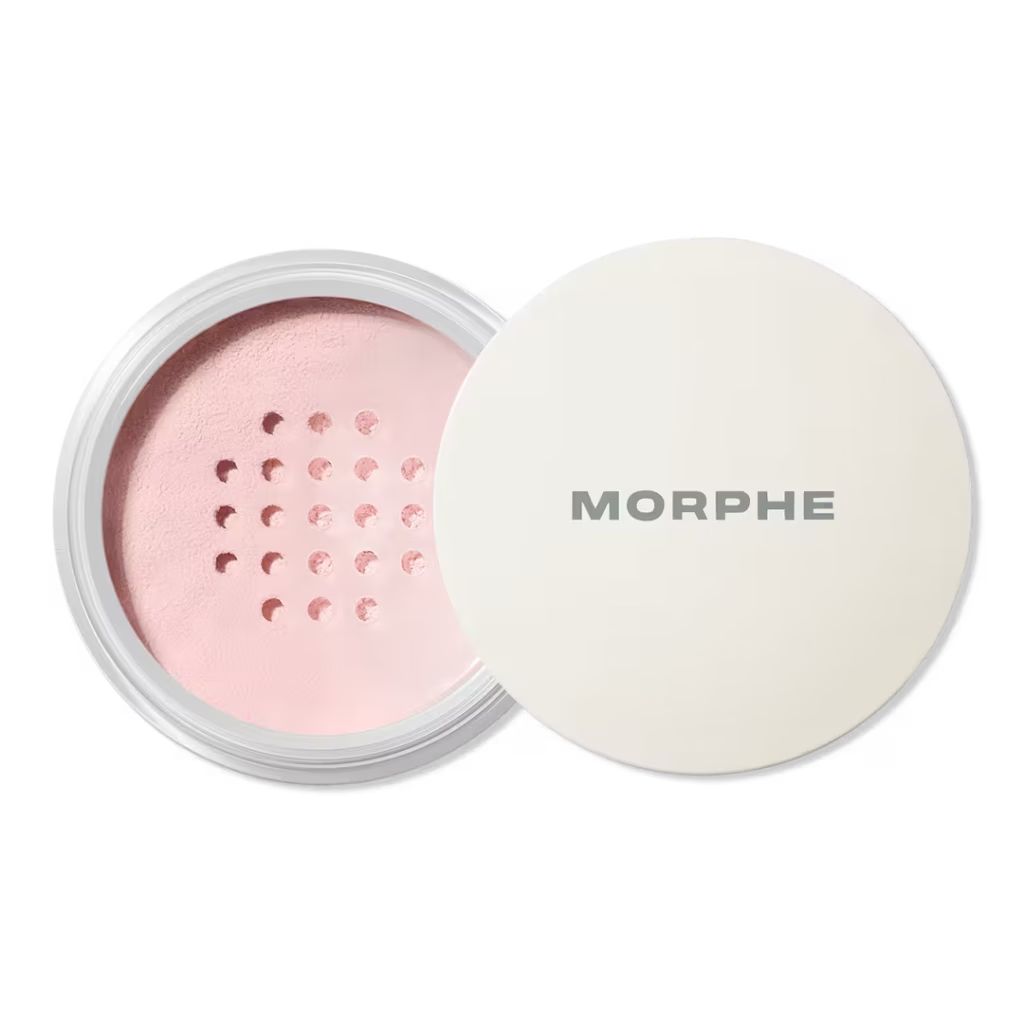
You don’t necessarily have to spend a fortune to find a setting powder that works with your routine, and I love me some Morphe makeup! Morphe Bake and Set Setting Powder offers an option for setting foundation, concealer, and areas where you want additional shine control.
What Are the Best Finishing Powders for a Smooth, Polished Look?
Finishing powders are worth exploring when your main concern is how your makeup looks after everything has been applied. Whether you prefer a subtle glow, a blurred complexion, or a natural finish, these products offer different ways to refine your makeup.
Rare Beauty True to Myself Tinted Pressed Finishing Powder: Best for Everyday Makeup
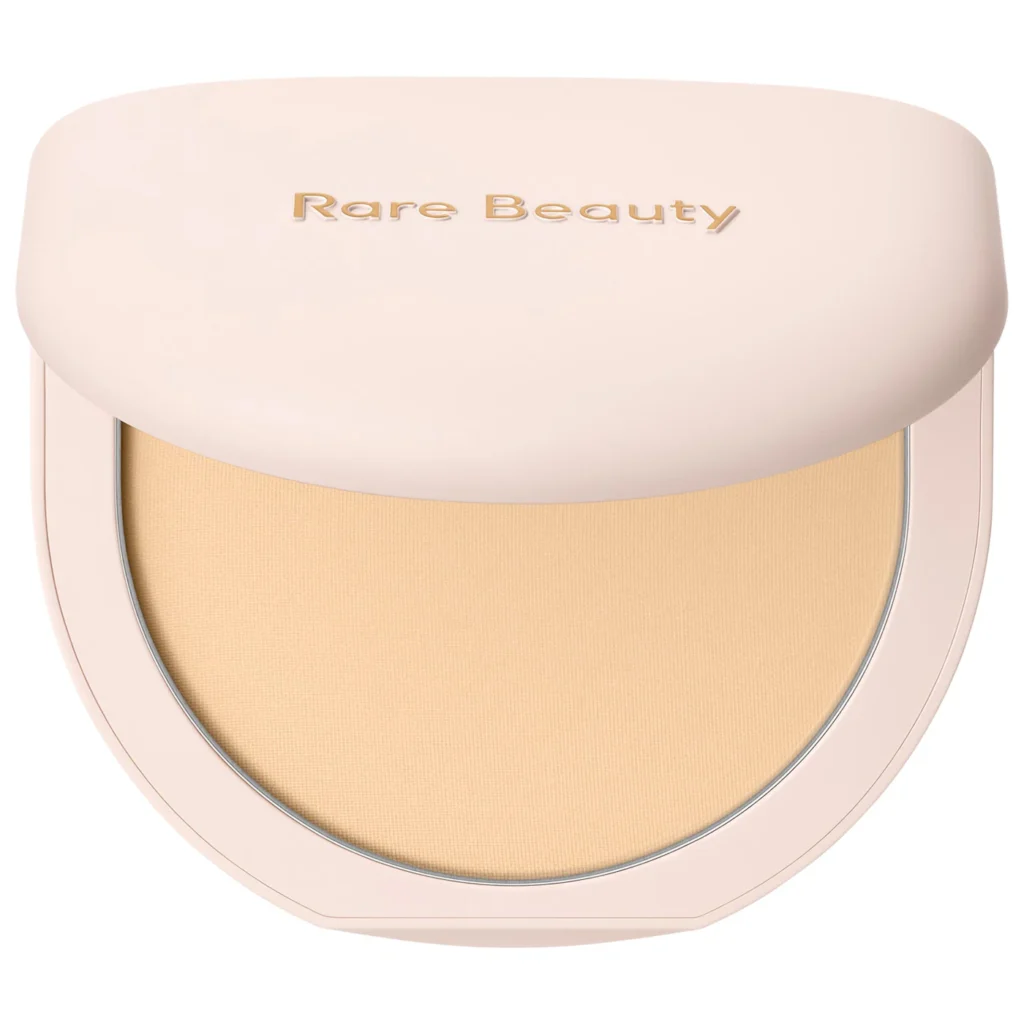
Rare Beauty True to Myself Tinted Pressed Finishing Powder is a particularly versatile choice for everyday makeup. Its tinted formula provides light, buildable coverage while helping blur the appearance of texture and reduce shine. Because it also helps set makeup, it’s appealing if you’d rather carry one compact that handles several complexion concerns.
ONE/SIZE Airbrushed Talc Free Finishing Powder: Best for a Polished Makeup Look
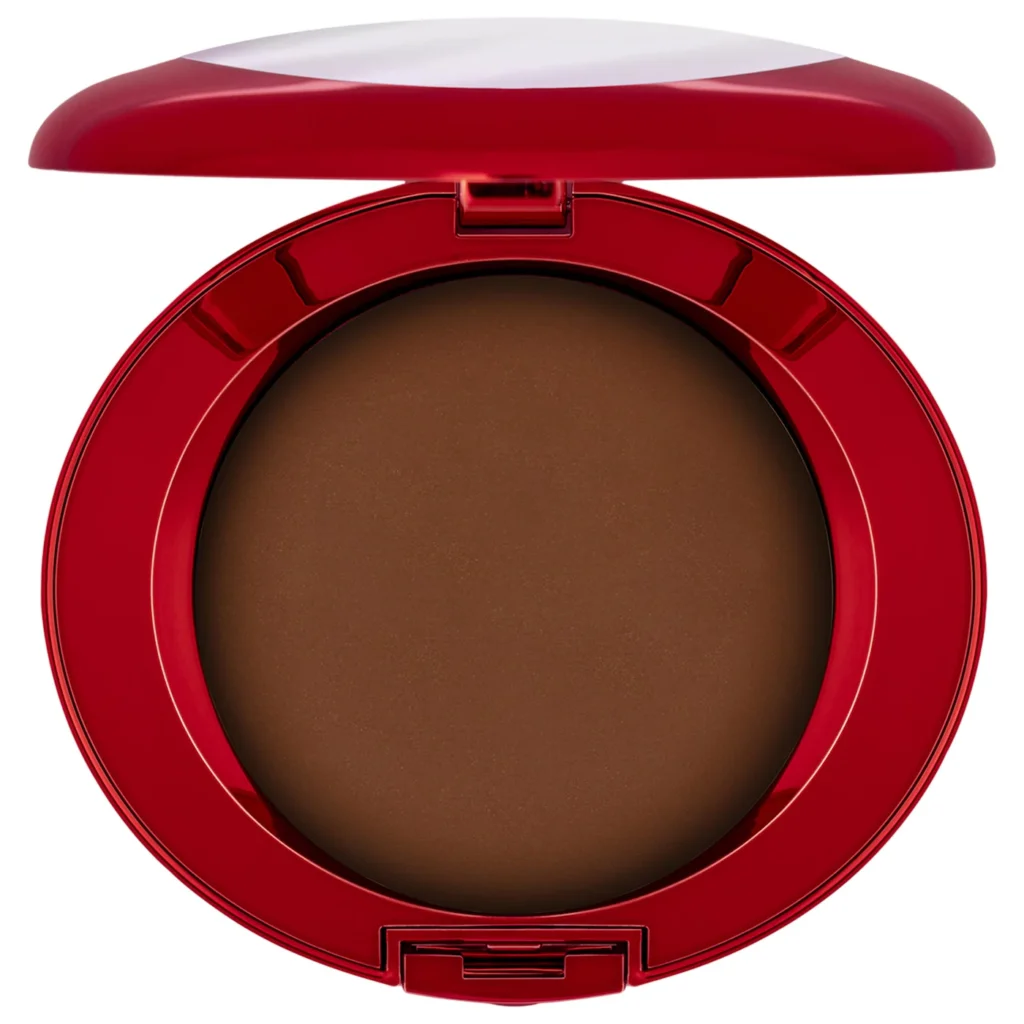
If you’re after a more refined finish, ONE/SIZE Airbrushed Talc Free Finishing Powder is another product to consider. It’s especially relevant for makeup routines where you want to soften the appearance of texture and create a smoother looking complexion. Start with a light application, particularly around areas where powder tends to accumulate.
ILIA Soft Focus Finishing Powder: Best for a Subtle Blurring Effect
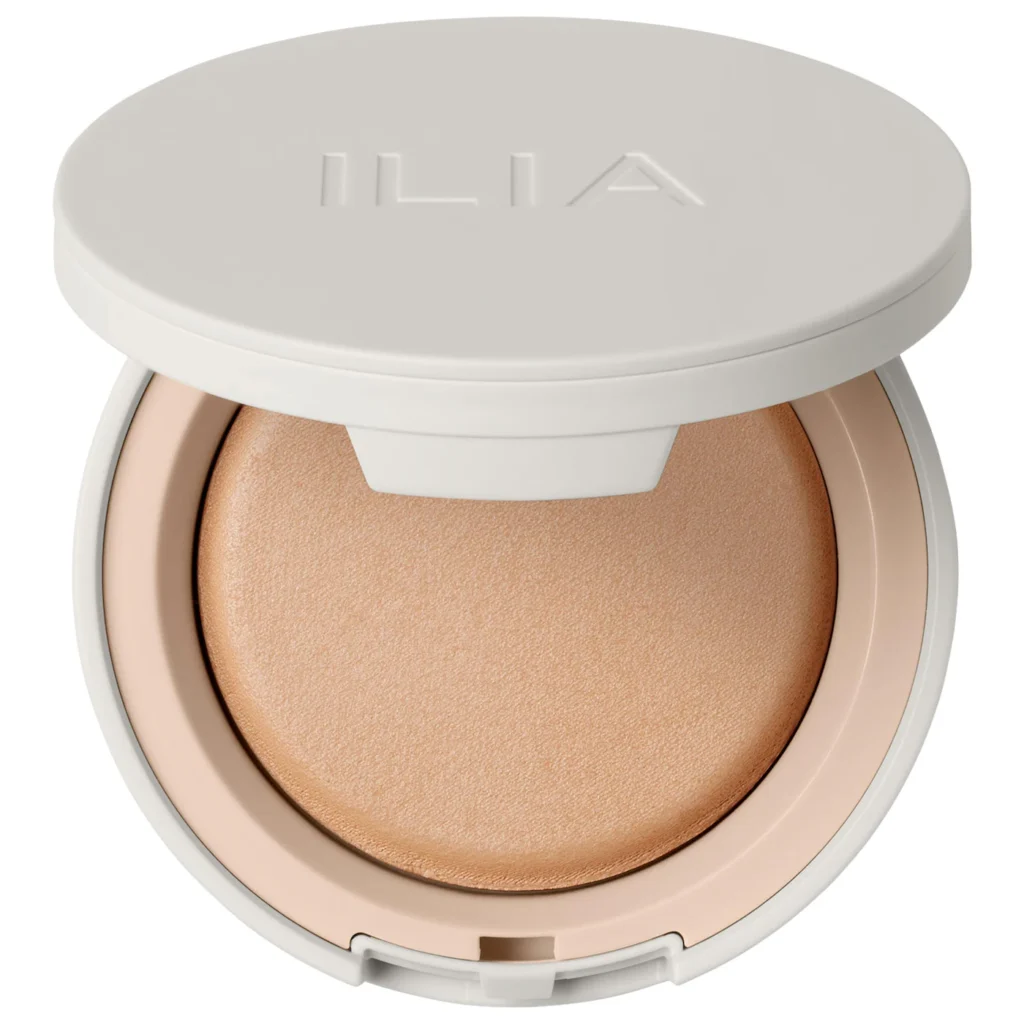
ILIA Soft Focus Finishing Powder is worth exploring if you want your complexion to look polished without adding another obvious layer of makeup. A soft focus finish can be especially flattering when you prefer lighter foundation coverage and want to preserve a natural looking complexion.
Palladio Natural Rice Loose Finishing Powder: Best for an Affordable Loose Powder
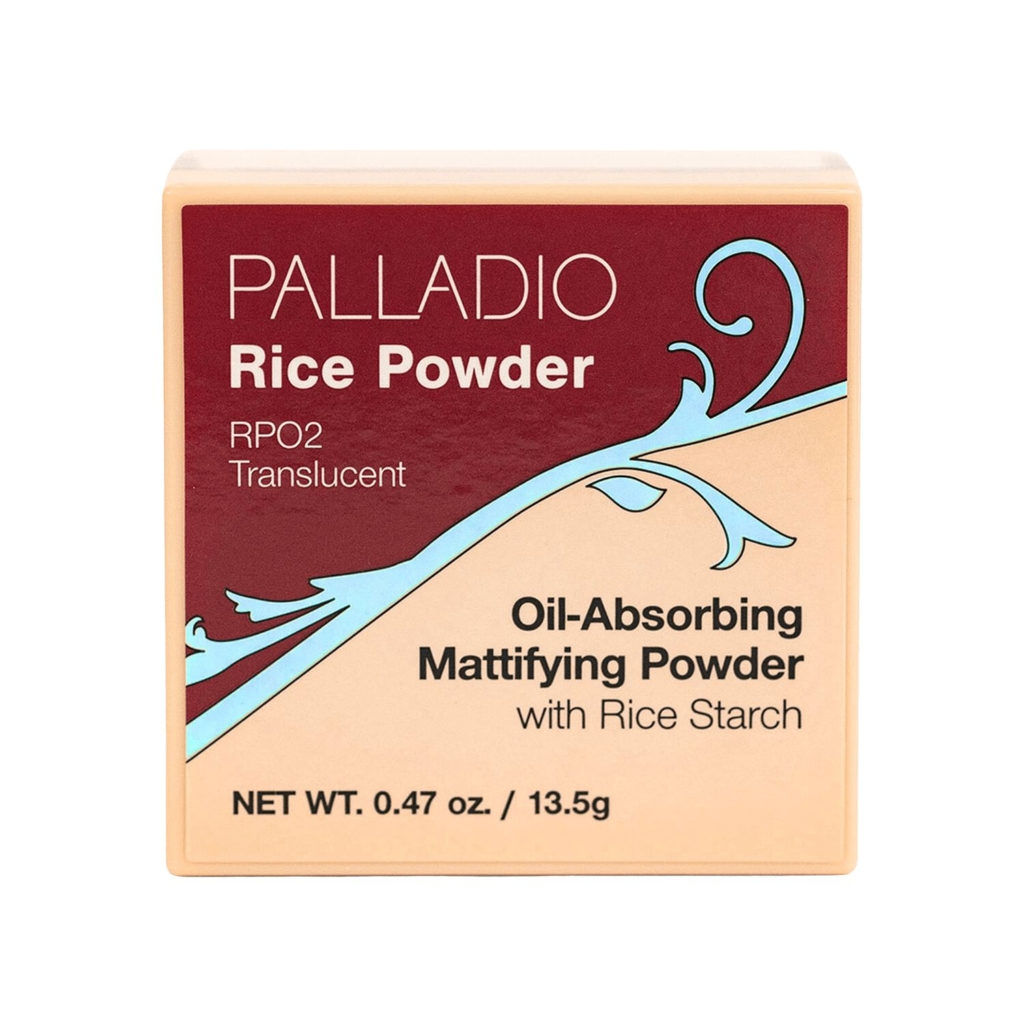
For a more budget friendly option, Palladio Natural Rice Loose Finishing Powder is worth considering. Rice based face powders are often associated with oil absorption, making this an option to explore if you want a softer finish while managing excess shine. Use a fluffy brush to apply a small amount where needed.
Palladio Pressed Rice Powder: Best for Convenient Touch Ups
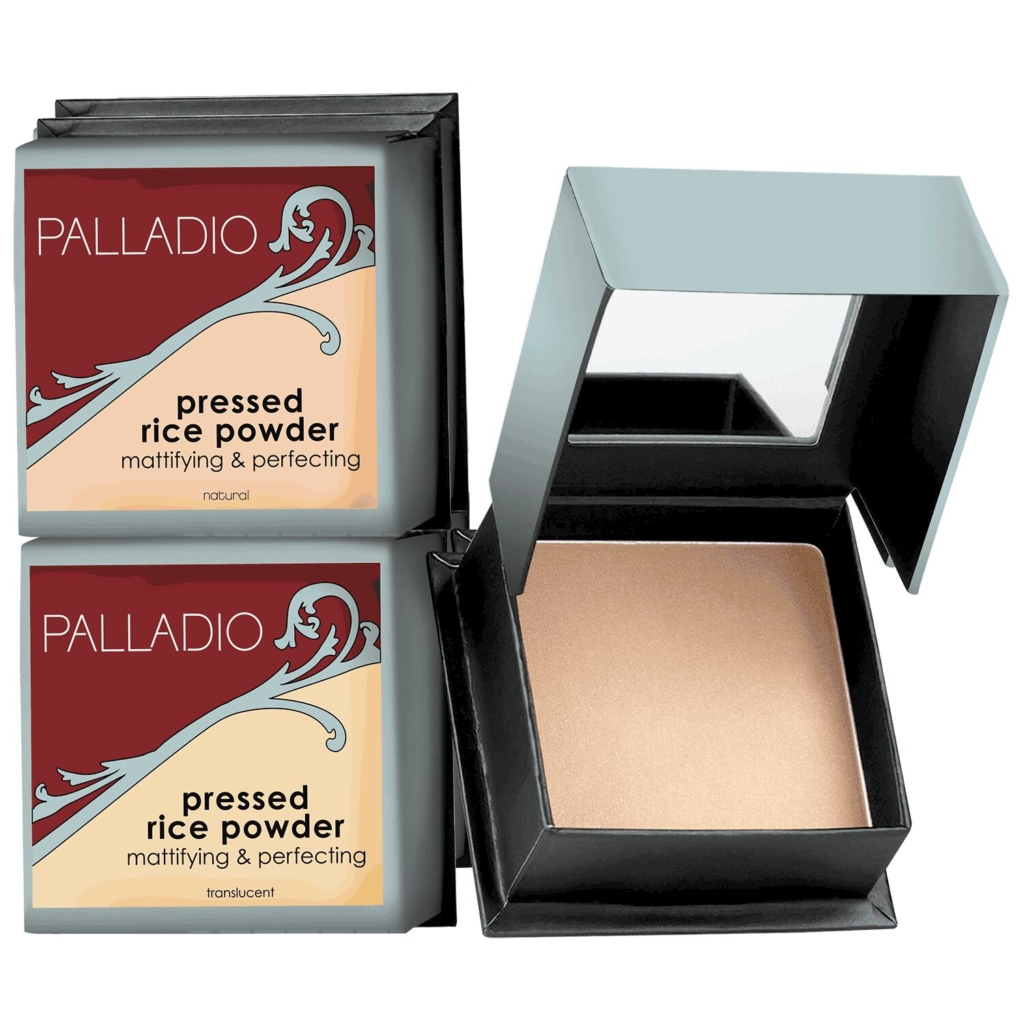
If you prefer something that’s easier to carry, Palladio Pressed Rice Powder offers the convenience of a compact. It’s a practical option for touching up shine throughout the day, particularly around the T zone. Pressed powders are also less cumbersome to use when you’re away from home.
Milani Baked Blurring Finishing Powder: Best for an Affordable Blurred Finish
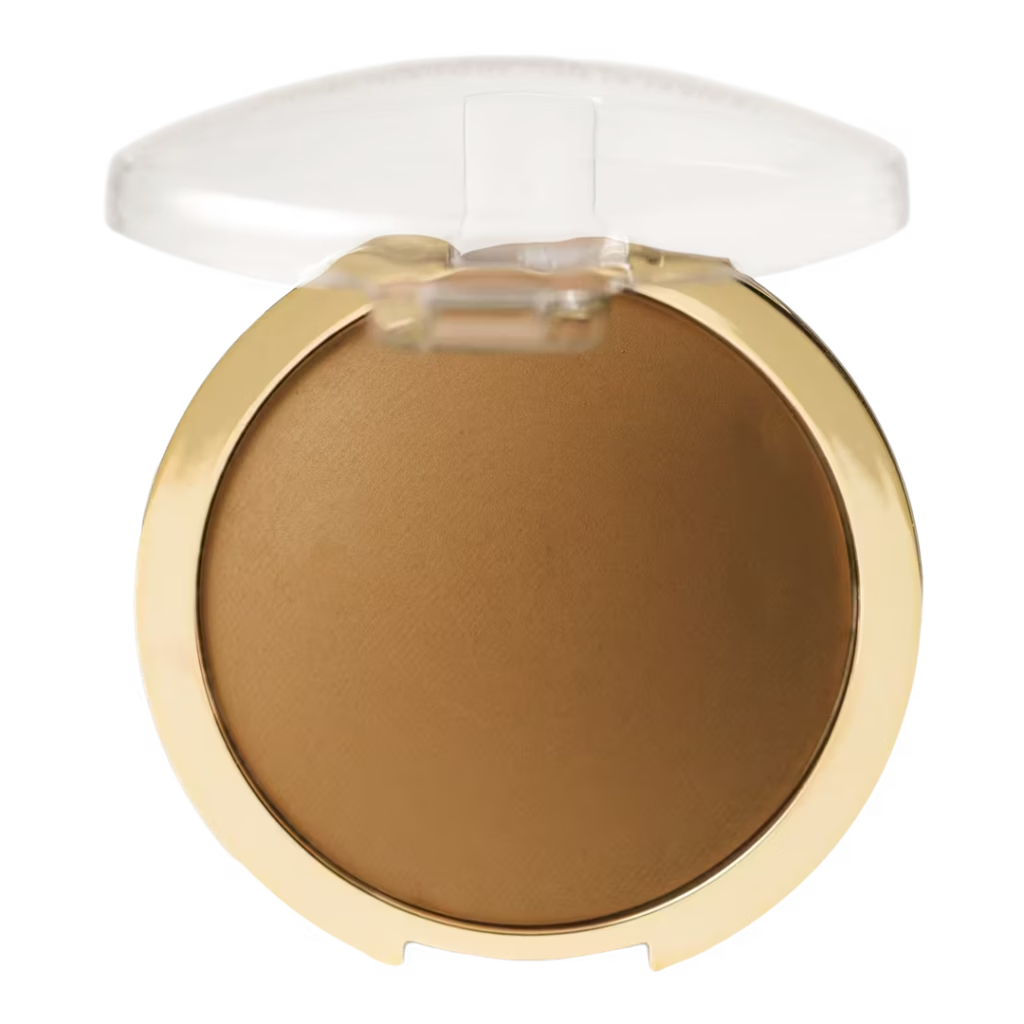
Milani Baked Blurring Finishing Powder is another option if you’re interested in smoothing the appearance of your complexion without investing in a luxury powder, though this specific product does feel pretty luxurious, in my opinion! Its blurring focus makes it worth considering when visible texture is your main concern. Apply it sparingly over your completed makeup to see how the finish works with your foundation.
Related: Fall Skincare Routine Reset: The Best Products to Add This Season
Finishing Powder vs Setting Powder: Which One Should You Use?
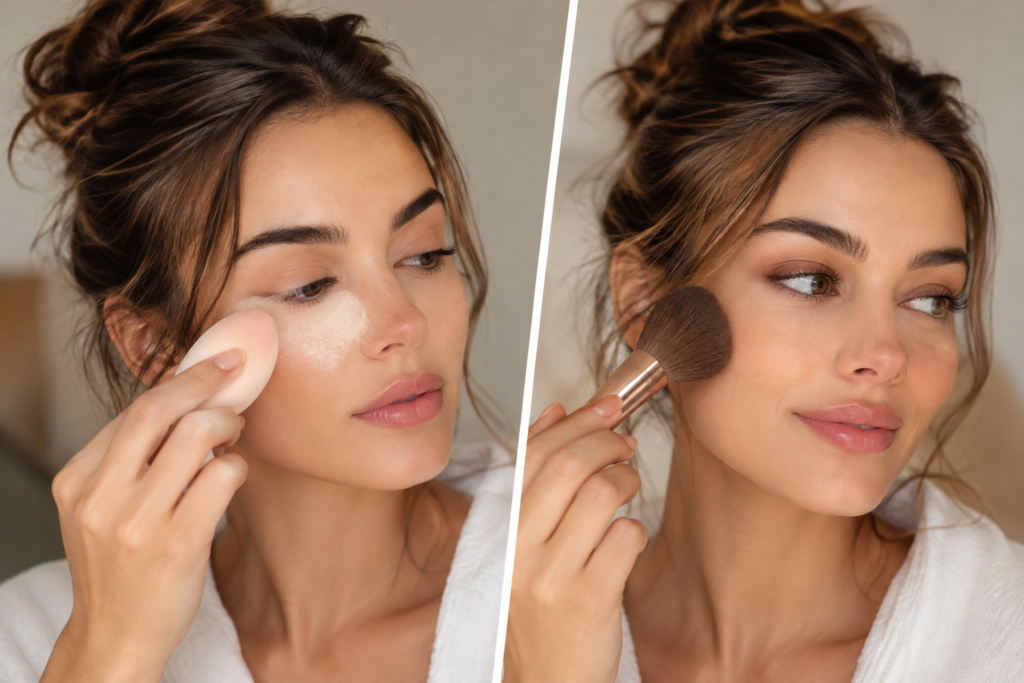
Choosing between finishing powder vs setting powder depends on your skin type, how you like your makeup to look, and what tends to happen after you’ve been wearing it for a few hours.
For Keeping Makeup in Place All Day
Setting powder is generally the better choice when makeup longevity is your biggest concern. It’s particularly helpful around areas where foundation and concealer tend to move, crease, or wear away, such as the sides of your nose, your chin, and underneath your eyes.
For the best results, allow your liquid or cream products to settle briefly before pressing a small amount of powder onto the areas that need it. A powder puff can help you apply the product precisely without disturbing the makeup underneath. Of course, even a great setting powder can’t guarantee that your foundation will stay perfect from morning until night. Your skin preparation, foundation formula, and environmental conditions all influence how well your makeup wears.
For Blurring Pores and Fine Lines
If enlarged pores or visible texture are your main concerns, finishing powder may be exactly what your makeup routine is missing.
Look for formulas described as blurring, smoothing, or soft focus. These products typically use finely milled particles and light diffusing ingredients to make skin texture appear less pronounced without adding much visible coverage.
Application matters here, too. Rather than sweeping a heavy layer across your face, use a small amount and blend it gently over areas where you want a smoother appearance. Keep in mind that powder can’t physically shrink pores or eliminate wrinkles. Its effects are cosmetic and temporary.
For Controlling Oil and Shine
Does your forehead start looking shiny before you’ve even finished your morning coffee, like mine does during the summer in Florida? A setting powder formulated for oil control will probably help you more than a traditional finishing powder. Ingredients such as silica and certain starches can help absorb excess surface oil, making them useful for people with oily or combination skin. You can concentrate the powder around your forehead, nose, and chin while leaving drier areas relatively untouched.
For Achieving a Smooth, Airbrushed Finish
There’s something so amazing about makeup that looks smooth and polished without looking like you’ve piled it on. Finishing powder can help you achieve that effect, particularly when your foundation already looks good and you simply want to refine the final result.
A finely milled powder with subtle light diffusing properties can soften the appearance of texture and create a more even looking complexion. Some formulas provide a delicate luminosity, while others create a velvety finish that seems super glamorous.
One thing worth watching out for is flashback: basically, certain powders can leave a pale or ashy cast in photographs taken with flash, especially when applied heavily. I learned this the hard way…after doing a certain makeup routine for months and then finally getting a photo of myself taken and noticing I looked a bit odd! So, if you’re getting ready for an event where you’ll be photographed, test your finished makeup under similar lighting beforehand.
For Everyday Makeup and Minimal Coverage
You might not need a full face of foundation every day, especially if you prefer a quick beauty routine that lets your natural skin show through. I don’t do a full face of makeup every single day, personally. For lighter makeup days when it comes to choosing between finishing powder vs setting powder, your powder choice can depend on what you want to accomplish. A translucent setting powder can help manage shine over sunscreen or a tinted moisturizer, while a sheer finishing powder may give bare skin a subtly smoother appearance.
Related: 15 Must Have Best Drugstore Beauty Picks for Fall from CVS
Setting Powder vs Finishing Powder: Using Them to Get Your Best Look
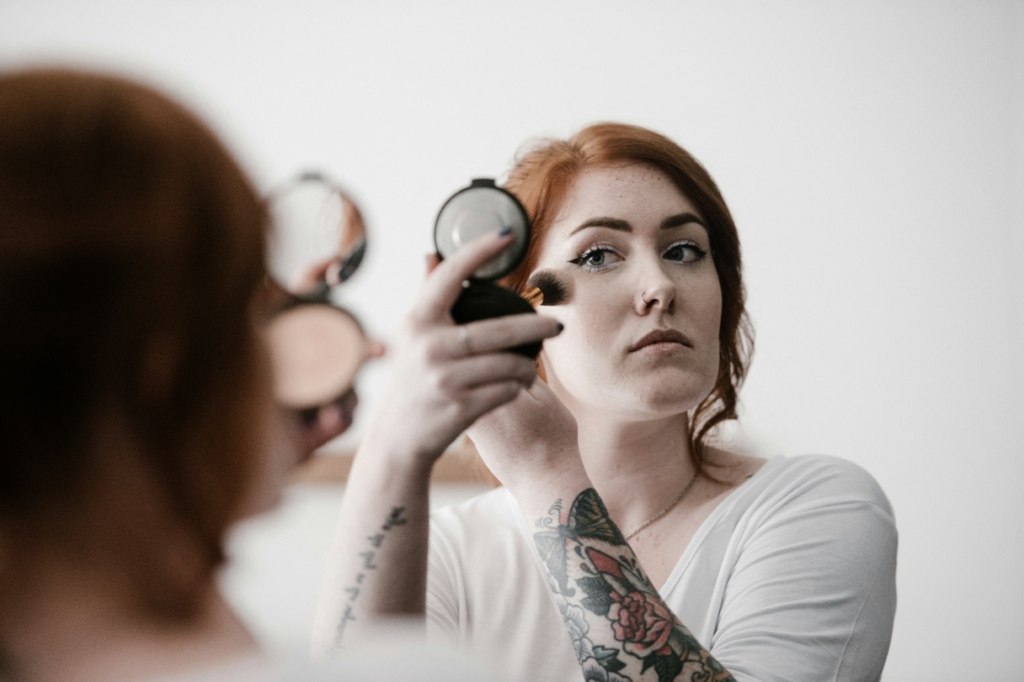
Your makeup can look absolutely beautiful when you first apply it, but what happens a few hours later? That’s where choosing the right powder makes a difference. Setting powder helps control shine and keep foundation and concealer in place, while finishing powder can soften the appearance of pores, fine lines, and uneven texture. Depending on your skin type, makeup preferences, and the look you’re going for, you might find that one works perfectly well on its own or that using both gives you the results you want.
When it comes to finishing powder vs setting powder, there’s no reason to complicate your makeup routine with products you don’t actually need. Think about what you’re hoping to achieve, whether that’s longer lasting coverage, a smoother complexion, or a little of both. Once you understand what each powder brings to the table, you’ll have a much easier time choosing products that work with your skin and getting a finish you’ll love wearing all day.
Read Next: 30 Powerful Personalized Hair Care Products for Every Hair Need