


We hope you love the products we recommend! Just so you know, Trendy Mami may collect a share of sales or other compensations from the links on this page.
–
Winter illnesses have a funny way of showing up at the worst possible time (ask me how I know), which makes stocking your medicine cabinet before someone gets sick a smart move. Having the best cold and flu remedies on hand can save you from a late night pharmacy run when you’re already dealing with congestion, coughing, fever, body aches, or an exhausted child who just wants to sleep.
A well stocked home doesn’t need to look like a drugstore shelf! A few essentials for common symptoms, along with comfort items like tissues, thermometers, humidifiers, electrolyte drinks, and soothing foods, can make sick days way easier to manage. Preparing before winter also gives you time to check expiration dates (there always seem to be expired products in the cabinet!), replace anything you’ve run out of, and make sure you understand how each product should be used. Whether you’re putting together a winter wellness cabinet for the first time or refreshing what you already have, stocking the best cold and flu remedies now can help you feel far more prepared when the first cough, sore throat, or fever arrives.
What Are the Best Cold and Flu Remedies to Keep at Home?
The best cold and flu remedies to keep at home are the ones that help with the the symptoms your household frequently deals with, such as fever, aches, coughing, congestion, and sore throats. Cold and flu products generally help manage symptoms rather than cure the underlying infection. The common cold doesn’t have a cure, while prescription antiviral medications are available for influenza and work best when treatment begins early.
Before cold and flu season gets busy, take a look through your medicine cabinet and replace anything that’s expired. When you’re choosing the best cold and flu remedies, read the active ingredients rather than just relying only on the product name. Many combination products contain the same ingredients found in individual medications, which can make it surprisingly easy to take the same medicine twice, which you probably don’t want to do.
Keeping the best cold and flu remedies stocked alongside a thermometer, tissues, saline spray, and hydration supplies means you’ll have options ready when someone wakes up feeling miserable. Medication needs vary by age, health conditions, pregnancy status, and other medicines being taken, so follow each product’s label and ask a doctor or pharmacist when you’re unsure about what’s appropriate:
Pain Relievers and Fever Reducers
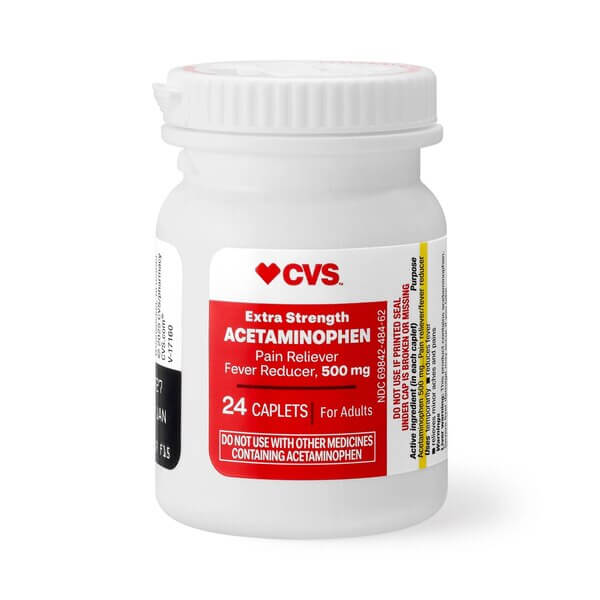
Acetaminophen and ibuprofen are common choices for temporarily relieving fever, headaches, and body aches. They won’t shorten a cold or eliminate the flu virus, but they can make some of the most uncomfortable symptoms easier to manage. Check the active ingredients on other cold and flu products before taking a separate pain reliever. Acetaminophen appears in hundreds of prescription and nonprescription medications, and taking more than one acetaminophen containing product at the same time can lead to an accidental overdose.
Cough Medicine
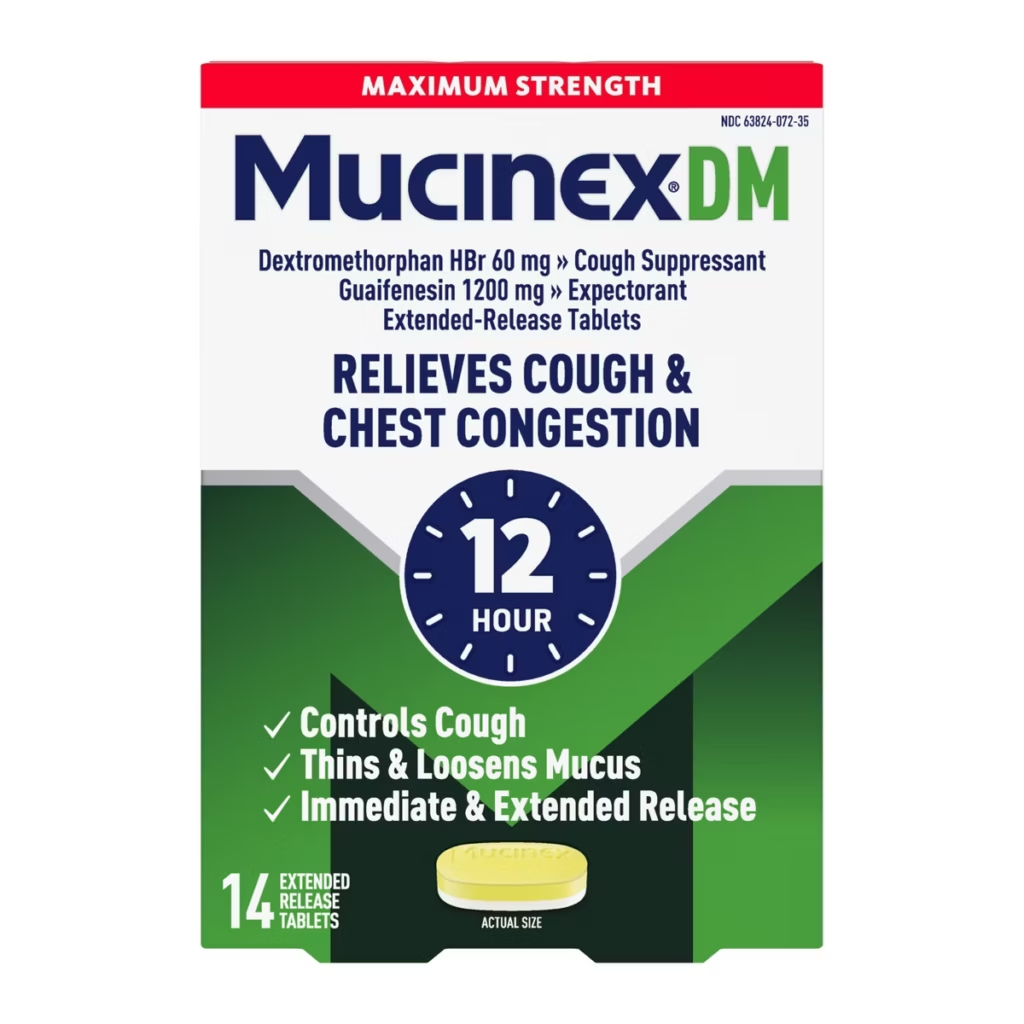
The right cough medicine depends partly on the type of cough you’re dealing with. Some products are intended to suppress coughing, while expectorants are designed to help loosen mucus. Read the Drug Facts label so you know which active ingredient you’re taking and what symptom it’s meant to treat.
Cough and cold medicines require extra caution with children. FDA doesn’t recommend nonprescription cough and cold medicines for children younger than two, and manufacturers label these products to say they shouldn’t be used in children younger than four.
Decongestants
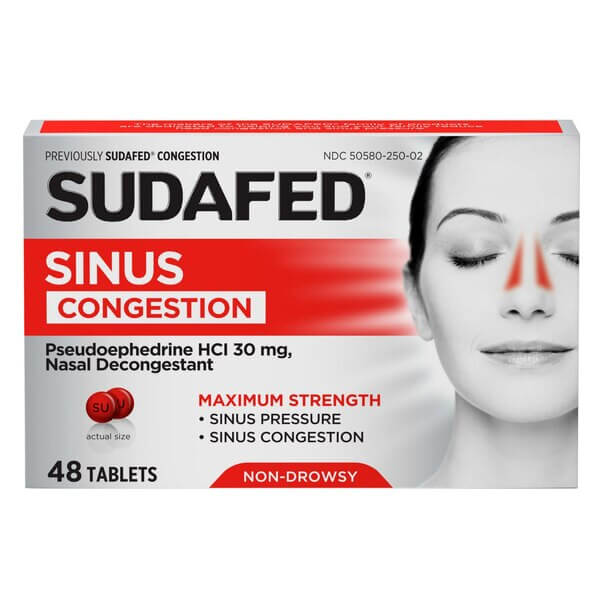
Decongestants are intended to provide temporary relief from nasal congestion, but this is one category where checking the active ingredient matters. FDA has proposed removing oral phenylephrine as an approved active ingredient for nasal congestion after reviewing evidence and determining that it isn’t effective for this use. As of October 2026, oral phenylephrine products can still be marketed while that regulatory process continues. Other congestion options are available, so talk with your pharmacist about which choice makes sense for you, particularly if you have an existing health condition or take other medication.
Antihistamines
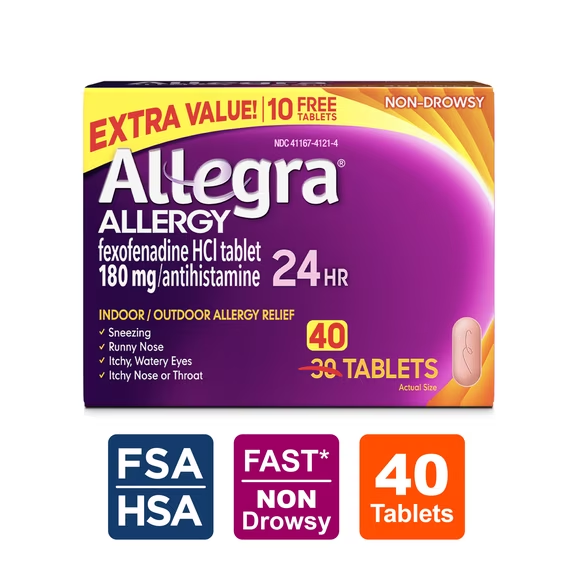
Antihistamines are more commonly associated with allergies, although they’re also included in some cold products and may help with certain symptoms. Some can cause drowsiness, which is especially important to know before driving or combining medications. Look at the active ingredients before adding an antihistamine to something else you’re already taking. Combination cold products may already contain one.
Throat Lozenges and Cough Drops
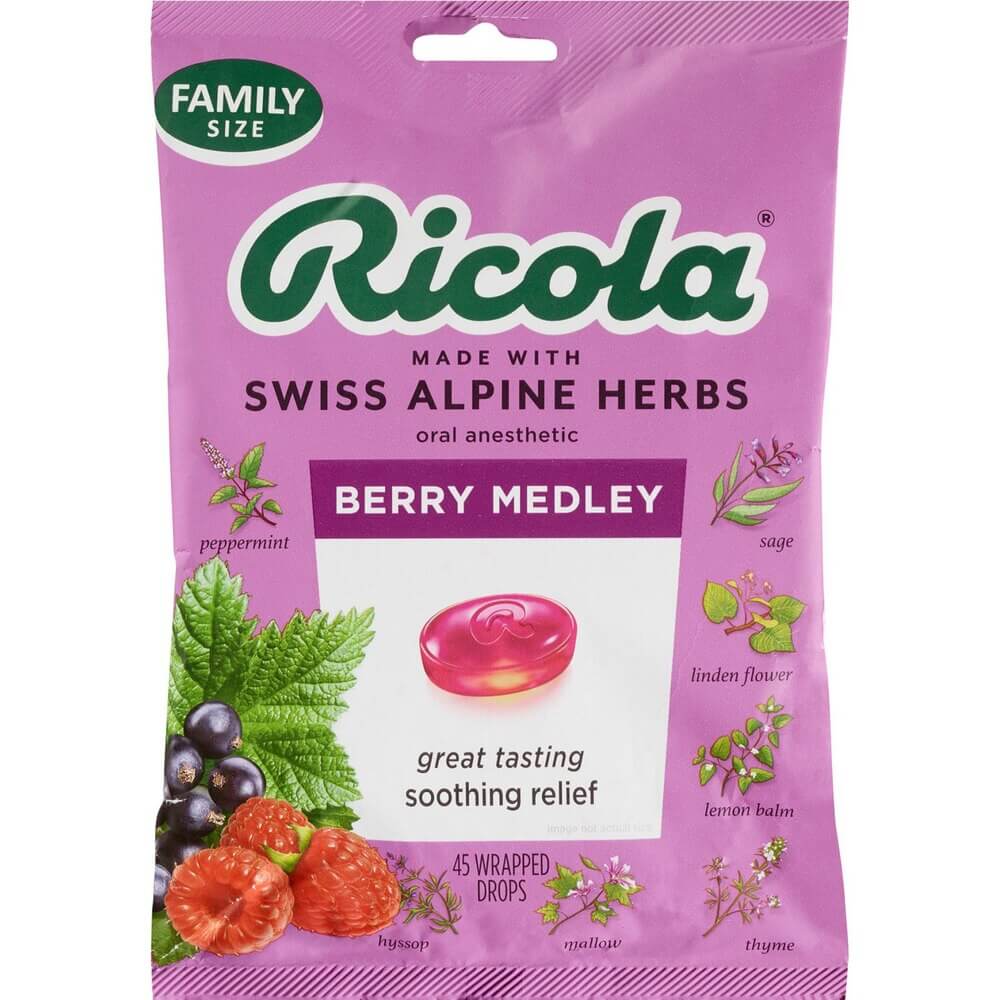
A bag of throat lozenges or cough drops is easy to overlook until your throat feels raw. Lozenges and hard candies can temporarily soothe an irritated throat and may make a dry cough feel more manageable. Keep choking risks in mind around young children. Mayo Clinic advises against giving lozenges or hard candy to children younger than six.
Saline Nasal Spray
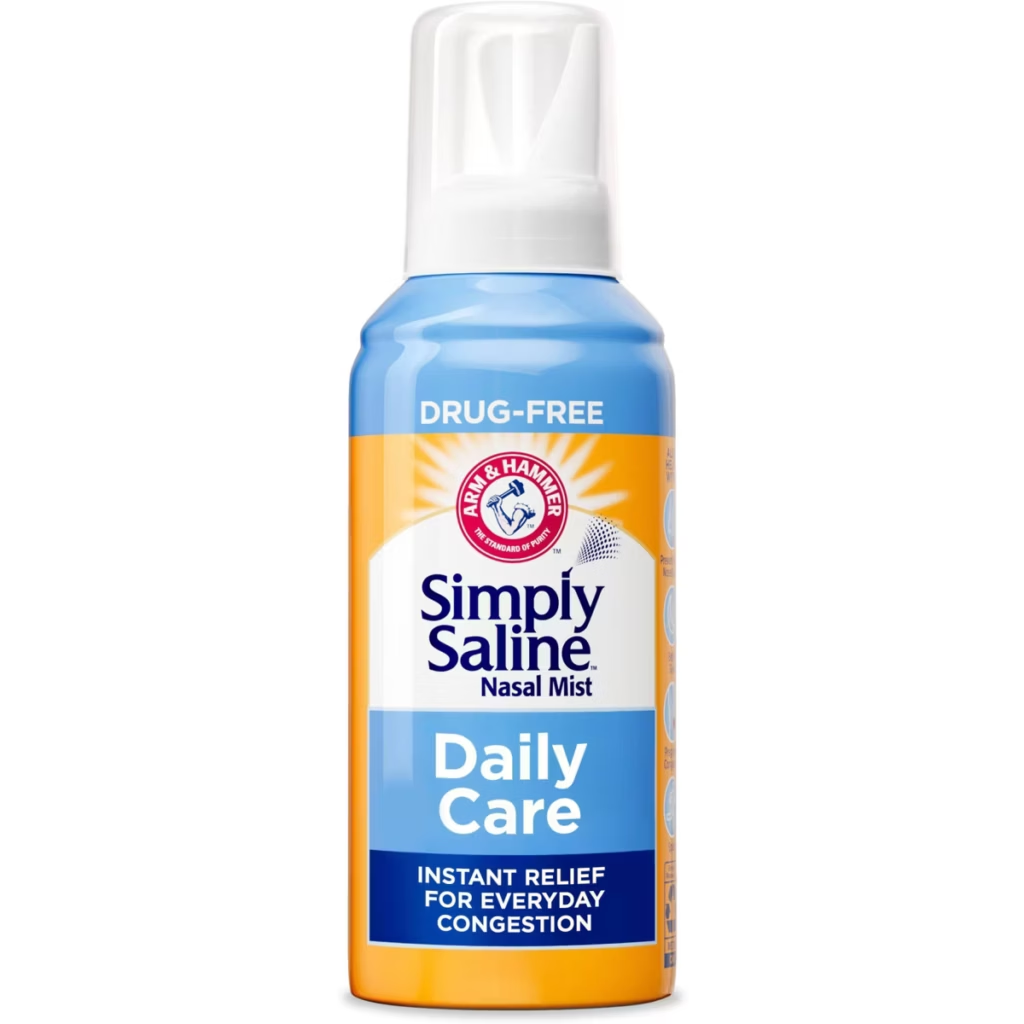
Saline nasal spray is an essential (in my opinion) e addition to a winter medicine cabinet. It can help moisturize nasal passages and loosen mucus without adding another oral medication to your routine.
Electrolyte Drinks and Hydration Products
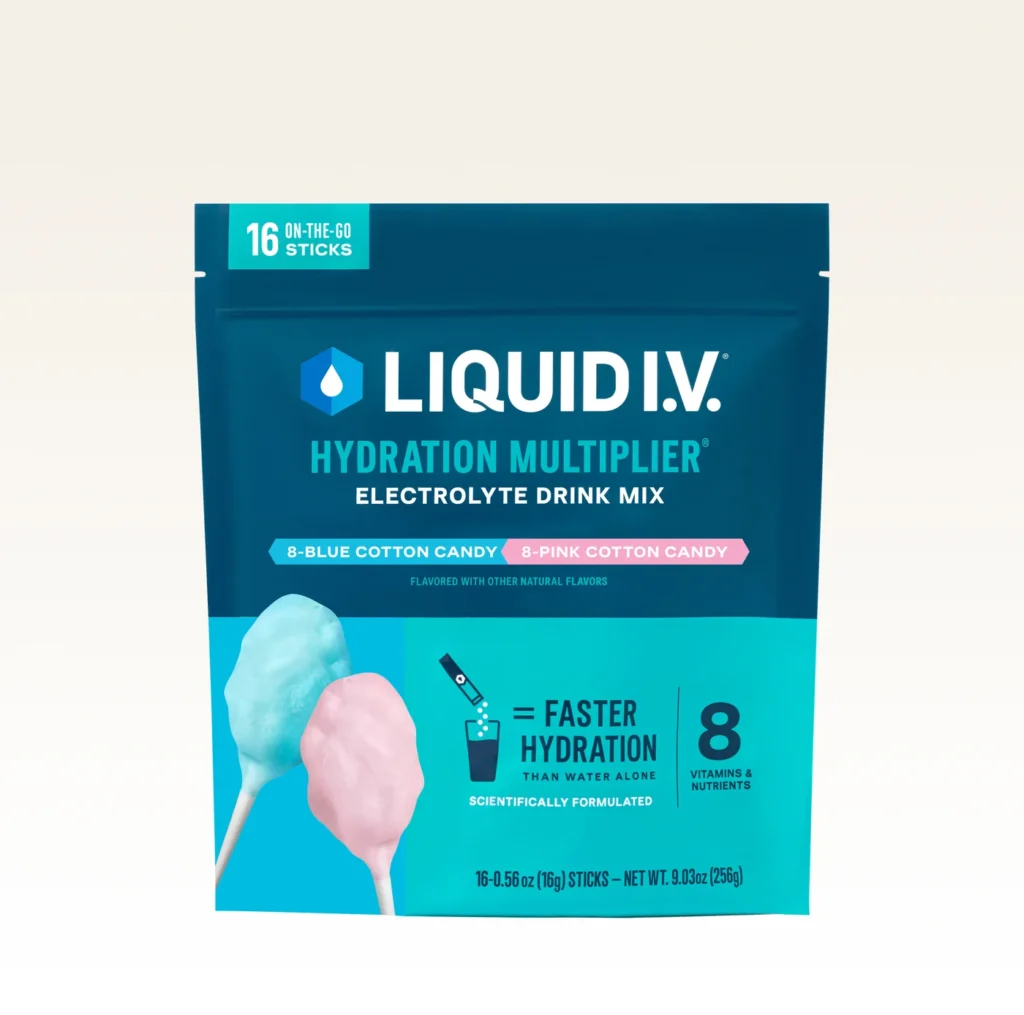
Hydration Multiplier®
Water should remain a staple when you’re sick, but electrolyte drinks or oral rehydration products can be convenient to keep in the pantry. Fever, a bit of a reduced appetite, vomiting, or simply feeling too miserable to drink normally can make staying hydrated harder, which can make you feel even sicker.
A Reliable Thermometer
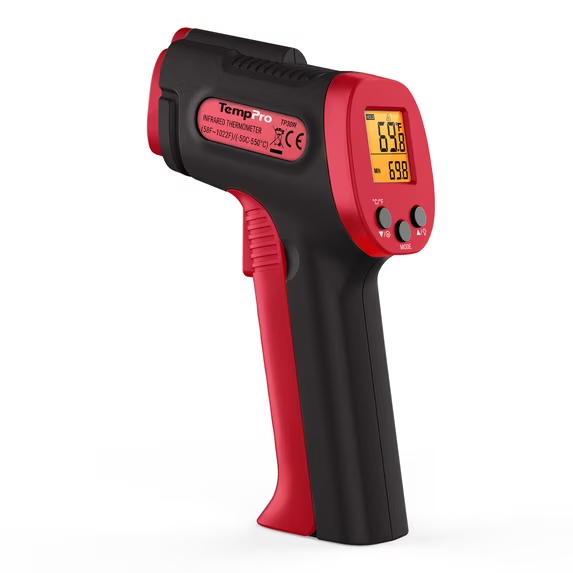
A thermometer won’t make anyone feel better, but it’s one of the most useful things to have when illness hits. Knowing whether someone actually has a fever can help you monitor symptoms more accurately and provide useful information if you need to contact a healthcare professional.
What Are the Best Cold Remedies for Common Symptoms?

The best cold and flu remedies aren’t necessarily the same for every symptom. A stuffy nose calls for a different approach than a headache or scratchy throat, which is why buying one giant combination product isn’t always necessary. Choosing remedies based on the symptoms you’re actually experiencing can make it easier to understand exactly what you’re taking.
There’s no cure for the common cold, and antibiotics don’t treat the viruses that cause it. Most people can focus on rest and symptom management while the illness runs its course. If cold like symptoms could actually be flu or COVID 19, particularly if you’re at higher risk for severe illness, CDC recommends testing because antiviral treatments are available and work best when started soon after symptoms begin.
What Helps a Stuffy or Runny Nose?
Saline nasal spray can help keep nasal passages moist and loosen mucus. A cool mist humidifier may also make a dry, stuffy nose feel more comfortable. Adults considering a medicated decongestant should read the active ingredient and label carefully. FDA currently says evidence doesn’t support oral phenylephrine as effective for nasal congestion, although products containing it remain legally marketed while the agency’s proposed removal process continues.
What Helps With a Sore Throat?
Warm liquids, throat lozenges, and salt water gargles can provide temporary relief for a sore throat. Honey in warm tea or lemon water may also be soothing for adults and children older than one. Sore throat spray can also temporarily relieve it.
What Helps Calm a Cough?
Fluids, honey for people older than one, cough drops when age appropriate, and moisture from a cool mist humidifier can all help soothe a bothersome cough. Warm tea or broth can be particularly comforting when coughing has left your throat irritated.
What Helps With Headaches and Body Aches?
Headaches and mild body aches can accompany a cold. Acetaminophen or ibuprofen may temporarily relieve pain when those medications are appropriate for you. Don’t automatically combine a pain reliever with a multi symptom cold medicine! Check whether your cold medicine already contains acetaminophen or another pain reliever first.
What Helps With Sinus Pressure and Congestion?
Saline spray, adequate fluids, and moisture from a clean humidifier may help when congestion leaves your nose and sinuses feeling uncomfortable. Some adults may also consider a decongestant that’s appropriate for their health needs. Persistent or worsening sinus symptoms deserve more attention. Symptoms that become significantly worse rather than gradually improving may warrant a conversation with your healthcare provider.
What Are the Best Flu Remedies for Common Symptoms?

The best cold and flu remedies can relieve some influenza symptoms, but actual flu treatment is worth separating from symptom relief. Prescription antiviral medications fight influenza viruses and may shorten illness and reduce certain complications. CDC says they work best when started within one or two days after symptoms begin, although treatment can still benefit some people when started later.
People at increased risk of serious flu complications should contact a healthcare professional promptly if they develop flu symptoms. That includes groups such as pregnant women and people with certain chronic medical conditions. Keeping the best cold and flu remedies at home is useful for comfort, but a bottle of fever reducer isn’t a substitute for antiviral treatment when a healthcare professional recommends it.
For everyone else, rest, fluids, and appropriate symptom relief can make recovery more comfortable. Think of the best cold and flu remedies as tools for getting through the rough parts of being sick rather than products that make influenza disappear overnight.
What Helps With Fever and Chills?
Flu can bring on fever and chills that leave you alternating between piling on blankets and throwing them off. Rest, fluids, comfortable clothing, and an appropriate fever reducer can help you manage the discomfort.
Acetaminophen and ibuprofen are commonly used for fever, but follow the label and make sure you aren’t unintentionally taking the same active ingredient in another cold or flu product.
What Helps With Flu Related Body Aches?
Body aches are one of those flu symptoms that can make even walking across the room feel unpleasant. An appropriate pain reliever may help with temporary relief, while plenty of rest gives your body time to recover.
Check with a healthcare professional or pharmacist if you’re unsure whether a particular pain reliever is safe with your health conditions or other medications.
What Can Help With Cough and Congestion?
Fluids, saline nasal spray, and a cool mist humidifier can make congestion more comfortable. Honey may help soothe a cough for adults and children older than one.
Cough medicines may provide symptom relief for some people, although they don’t treat the influenza virus itself. Prescription flu antivirals are a separate category of medicine used to treat influenza.
How Can You Stay Hydrated When You Have the Flu?
Keep drinks within reach instead of waiting until you’re thirsty enough to get out of bed. Water is an easy choice, while broth and other fluids can add some variety when plain water isn’t appealing.
Electrolyte or oral rehydration drinks may be useful when you’re struggling to maintain normal fluid intake. Seek medical advice if you’re concerned about dehydration or you’re unable to keep fluids down.
What Can Make Resting With the Flu More Comfortable?
A clean humidifier, fresh bedding, tissues, water, a thermometer, and medications you’re using safely can all live within easy reach of the bed or couch.
Related: Fall Health and Wellness Essentials Deals You Can’t Miss from CVS
What Natural Cold and Flu Remedies Are Worth Keeping at Home?

Some of the best cold and flu remedies don’t come from the medicine aisle. Honey, warm liquids, saline, and moisture in the air may help relieve certain symptoms, although they won’t cure the viruses responsible for colds or influenza.
Natural remedies still need a little common sense. Honey isn’t safe for babies younger than one, humidifiers need regular cleaning, and anything marketed as “natural” shouldn’t automatically be assumed to cure or shorten an illness. The best cold and flu remedies are supported by reasonable evidence for the symptom you’re trying to relieve, whether they come in a medicine bottle or from your kitchen.
Keep these options around alongside your regular supplies rather than viewing them as replacements for medical care when it’s needed. A warm mug of tea may make a scratchy throat considerably more comfortable, but the best cold and flu remedies for someone who needs prescription flu antivirals will include contacting a healthcare professional.
Honey for Coughs and Sore Throats
Honey is one pantry staple that’s genuinely useful during cold season. It may help soothe coughing in adults and children older than one, and a spoonful can be taken on its own or mixed into a warm drink. Reminder: never give honey to a child younger than twelve months because of the risk of infant botulism, per the Cleveland Clinic.
Warm Tea and Other Soothing Drinks
A warm drink can feel wonderful when your throat is scratchy and your nose is stuffed up! Tea, warm water with lemon, broth, and other warm liquids can soothe the throat while contributing to your daily fluid intake. Pro Tip: Add some local honey to your drink to help with allergies!
Chicken Soup and Broth
Chicken soup has earned its sick day reputation for a reason, even if it isn’t a cure! Warm broth contributes fluids and may feel soothing when congestion, a sore throat, or a poor appetite makes your usual meals sound unappealing. A few portions in the freezer can be particularly handy. Nobody wants to start chopping vegetables when they’re already sick.
Salt Water Gargles for a Sore Throat
A warm salt water gargle can temporarily soothe a sore or scratchy throat. Mayo Clinic recommends dissolving about one quarter to one half teaspoon of salt in an eight ounce glass of warm water, gargling, then spitting it out.
This remedy isn’t appropriate for young children who can’t gargle safely.
Steam and Humidifiers for Congestion
Adding moisture to dry indoor air with a humidifier may help ease stuffiness and make irritated nasal passages feel more comfortable; even a small, easily storable one (like this one from Amazon) works well. A warm shower can also provide temporary comfort when you’re congested. Reminder: Humidifiers need to stay clean. Change the water very regularly and follow the manufacturer’s cleaning instructions because bacteria and mold can grow inside a poorly maintained machine.
Related: What Are the Best Postpartum Supplements for Real Energy and Recovery?
Can You Tell Whether You Have a Cold or the Flu From Symptoms Alone?
| Symptom | Common Cold | Flu |
|---|---|---|
| Symptom onset | Often gradual | Often sudden |
| Fever | Less common | Common |
| Body aches | Usually mild | Often more noticeable |
| Fatigue | Can occur | Common |
| Stuffy nose | Common | Can occur |
| Cough | Common | Common |
Which Cold and Flu Remedy Should You Use for Each Symptom?
| If You’re Dealing With | Options That May Help |
|---|---|
| Fever | Acetaminophen or ibuprofen when appropriate |
| Body aches | Acetaminophen or ibuprofen when appropriate |
| Stuffy nose | Saline spray, humidifier, appropriate decongestant |
| Sore throat | Warm liquids, salt water gargle, lozenges |
| Cough | Honey for ages one and older, fluids, appropriate cough medicine |
| Dry nasal passages | Saline spray, cool mist humidifier |
| Trouble staying hydrated | Water, broth, oral rehydration products |
Related: Does the GLP-1 Pill Work for Women? What to Know
Stock Up on These Best Cold and Flu Remedies Before Winter Hits

Winter can move quickly from perfectly normal routines to canceled plans, sleepless nights, and a house full of tissues. Stocking the best cold and flu remedies and other essentials before cold and flu season is in full swing means you’ll have what you need nearby when someone starts feeling miserable, rather than realizing at 10 p.m. that the medicine cabinet is practically empty.
Our top cold and flu remedies can help you manage common symptoms, stay comfortable, keep everyone hydrated, and make recovery days feel a little less chaotic. Keep your family’s ages, medical needs, and medication instructions in mind as you choose what belongs in your cabinet, and don’t forget practical basics that are easy to overlook until you suddenly need them.
A little preparation now can make a rough winter day much easier later when it comes to keeping the best cold and flu remedies in stock in your home. Check what cold and flu remedies you already have on hand, be sure to toss expired products, replenish the basics, and stock the best cold and flu remedies before winter illnesses begin making their rounds. You’ll be glad those essentials are already within reach when your family needs them most!
Read Next: How to Make Natural Bug Repellent: Easy Homemade Bug Spray Recipe