We hope you love the products we recommend! Just so you know, Trendy Mami may collect a share of sales or other compensations from the links on this page.
–
Bringing home a new dog or cat is equal parts excitement and uncertainty. One minute you’re picking out toys, and the next you are wondering if every little behavior you see them exhibit is normal. A thoughtful new pet adjustment plan can turn those first thirty days from chaotic to calm.
The truth is that most animals need time to decompress, especially if they have come from a shelter or breeder environment. A structured new pet adjustment plan helps you set realistic expectations while building trust from day one. Instead of reacting to every hiccup, you will have a roadmap that guides your decisions.
An effective new pet adjustment plan is filled with consistency, patience, and clear routines that help your pet feel secure. When you follow a new pet adjustment plan step by step, you create a foundation that supports long term behavior, bonding, and confidence for both of you. Here’s what we’ve found works the best!
The 30-Day New Pet Adjustment Plan Every First-Time Owner Should Follow
The first month with a new pet shapes everything that follows. Excitement is high, but so is uncertainty, and that is exactly why a structured new pet adjustment plan matters. Instead of guessing your way through each day, you will move through a clear rhythm that helps your dog or cat feel secure. Over the next thirty days, your focus should be on trust building, basic structure, and preventing overwhelm for both you and your pet.
The first week of your new pet adjustment plan is all about decompression. Your pet is processing new smells, new sounds, new people, and maybe even wearing a collar, using the bathroom outdoors, and sleeping on a soft bed for the first time. Keep visitors minimal, limit new environments, and allow plenty of quiet rest time. Short, positive interactions matter more than long, overstimulating ones. A successful new pet adjustment plan during week one prioritizes safety and calm over social media worthy moments.
During the second week of your new pet adjustment plan, begin layering in simple structure. Introduce consistent feeding times, short training sessions, and predictable potty breaks or litter routines. Keep sessions brief and encouraging. Your new pet adjustment plan should now include gentle reinforcement of house rules. Clarity builds confidence. When your pet knows what to expect, anxiety decreases and cooperation increases.
By week three, many pets begin to show their true personality. This stage of your new pet adjustment plan is ideal for controlled socialization. Introduce new environments gradually and keep experiences positive. Your new pet adjustment plan should still protect downtime. Confidence grows when new experiences are balanced with rest. Rushing social exposure can create setbacks, so pace matters.
Days 22 to 30: Reinforcement and Long Term Routine
The final stretch of your new pet adjustment plan focuses on reinforcing what is working. Consistency now sets the tone for long term behavior. Continue training, maintain feeding schedules, and adjust routines based on your pet’s needs. By day thirty, your new pet adjustment plan should feel less like a checklist and more like a natural rhythm. The structure you built during this first month becomes the foundation for years of companionship.
Thirty days may not seem long, but in a pet’s world, it is transformative. A thoughtful new pet adjustment plan replaces chaos with calm and confusion with clarity. When you invest intention into these first weeks, you create a home where trust and stability grow naturally.
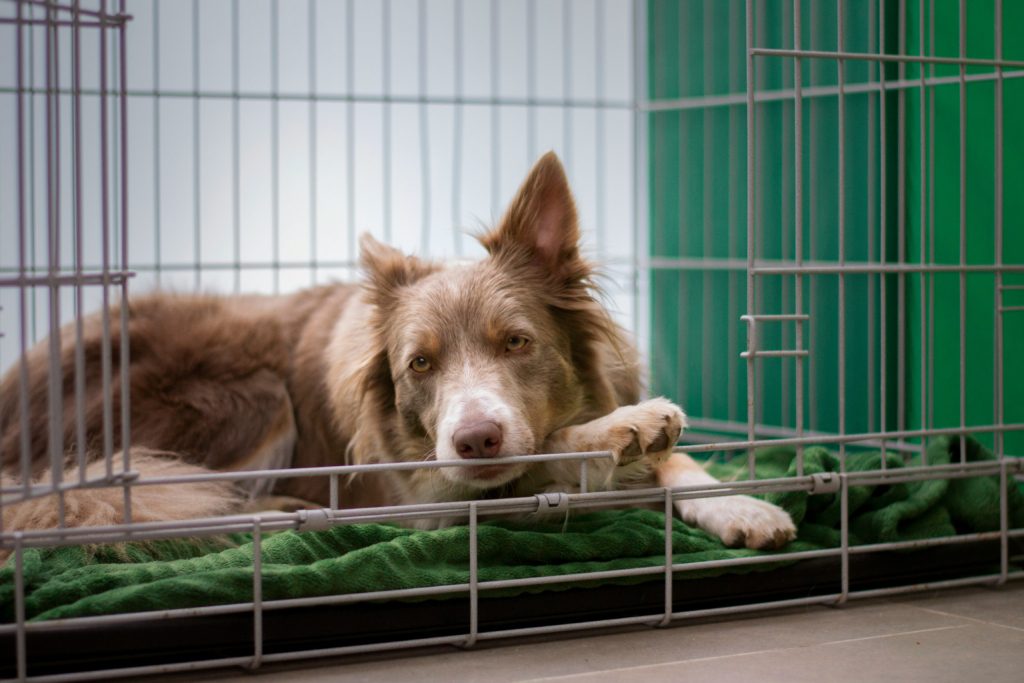
Every new pet adjustment plan needs a dedicated safe space. This might be a soft crate, a cozy corner with a bed, or a quiet room away from heavy traffic. The key is consistency and accessibility. A good safe space for your furry friend should include:
Fresh water nearby
Comfortable bedding
A favorite toy or comfort item
Minimal noise and disruption
Your new pet adjustment plan becomes far more effective when your pet knows they have a retreat.
Feeding Schedules and Nutrition Basics
Nutrition plays a central role in your new pet adjustment plan. Sudden food changes can upset digestion, so begin with the same diet they were previously eating, then transition slowly if needed. Consistent feeding times help establish routine and reduce anxiety.
Measure portions carefully and avoid free feeding unless recommended. Your new pet adjustment plan should include structured mealtimes that support potty training and behavioral stability. Food predictability signals safety to animals who are still adjusting.
Fresh water should always be available. Monitor appetite closely during the first week. A thoughtful new pet adjustment plan includes watching for changes that might indicate stress or health concerns.\
Sleep patterns can shift during the first few nights. Your new pet adjustment plan should include realistic expectations about nighttime waking, especially with puppies. Choose a consistent sleeping location and stick with it. If using a crate, introduce it gradually with positive associations. Place soft bedding inside and reward calm entry. A well executed new pet adjustment plan treats the crate as a secure den, not confinement. Expect some restlessness at first. Comfort does not mean constant access to your bed. Your new pet adjustment plan should balance reassurance with boundaries, which ultimately builds independence and long term stability.
The first month with a new pet pretty much shapes everything that follows. Skipping structure can lead to confusion and stress, but committing to a new pet adjustment plan gives your animal the stability they crave (and you’ll crave that stability too, in all likelihood).
When your new pet adjustment plan includes predictable feeding times, gentle training, and safe spaces to retreat, your pet will be able to get into a reliable routine that will help them relax in their new home. In return, that sense of security strengthens your bond and makes daily life smoother for everyone in the house.
Take the next thirty days seriously. A well executed new pet adjustment plan is one of the most loving gifts you can give a new dog or cat. With patience and intention, you will look back and realize those early weeks laid the groundwork for years of companionship and joy — and it was well worth it!
Get Updates On New Content, Tips And Special Deals From Our Partners.
You Can Unsubscribe Any Time.
Subscribe
Get Updates On New Content, Tips And Special Deals From Our Partners.
You Can Unsubscribe Any Time.
Manage Cookie Consent
To provide the best experiences, we use technologies like cookies to store and/or access device information. Consenting to these technologies will allow us to process data such as browsing behavior or unique IDs on this site. Not consenting or withdrawing consent, may adversely affect certain features and functions.
Functional
Always active
The technical storage or access is strictly necessary for the legitimate purpose of enabling the use of a specific service explicitly requested by the subscriber or user, or for the sole purpose of carrying out the transmission of a communication over an electronic communications network.
Preferences
The technical storage or access is necessary for the legitimate purpose of storing preferences that are not requested by the subscriber or user.
Statistics
The technical storage or access that is used exclusively for statistical purposes.The technical storage or access that is used exclusively for anonymous statistical purposes. Without a subpoena, voluntary compliance on the part of your Internet Service Provider, or additional records from a third party, information stored or retrieved for this purpose alone cannot usually be used to identify you.
Marketing
The technical storage or access is required to create user profiles to send advertising, or to track the user on a website or across several websites for similar marketing purposes.
We use cookies to ensure that we give you the best experience on our website. If you continue to use this site we will assume that you are happy with it.