
We hope you love the products we recommend! Just so you know, Trendy Mami may collect a share of sales or other compensations from the links on this page.
–
Warmer weather usually means more time outside, but it also means more exposure to strong sunlight that can affect your skin faster than you might expect. That’s exactly why learning how to protect skin from sun damage becomes so important once summer starts approaching. Small habits during everyday activities can make a major difference in how your skin looks and feels long term.
A lot of people only think about sunscreen during beach trips or vacations, but sun exposure adds up during errands, walks, driving, outdoor workouts, and everyday life too. Understanding how to protect skin from sun damage isn’t about avoiding summer completely, it’s about finding realistic ways to support healthier skin while still enjoying time outside. Consistency matters much more than trying to be perfect all the time.
There’s also something frustrating about spending time and money on skincare while overlooking one of the biggest contributors to visible skin aging. Learning how to protect skin from sun damage can help support healthier looking skin, more even texture, and better long term skincare results overall. Once protective habits become part of your routine naturally, they start feeling much easier to maintain year round.
How to Protect Skin From Sun Damage
1. Invest in a High Quality Sunscreen
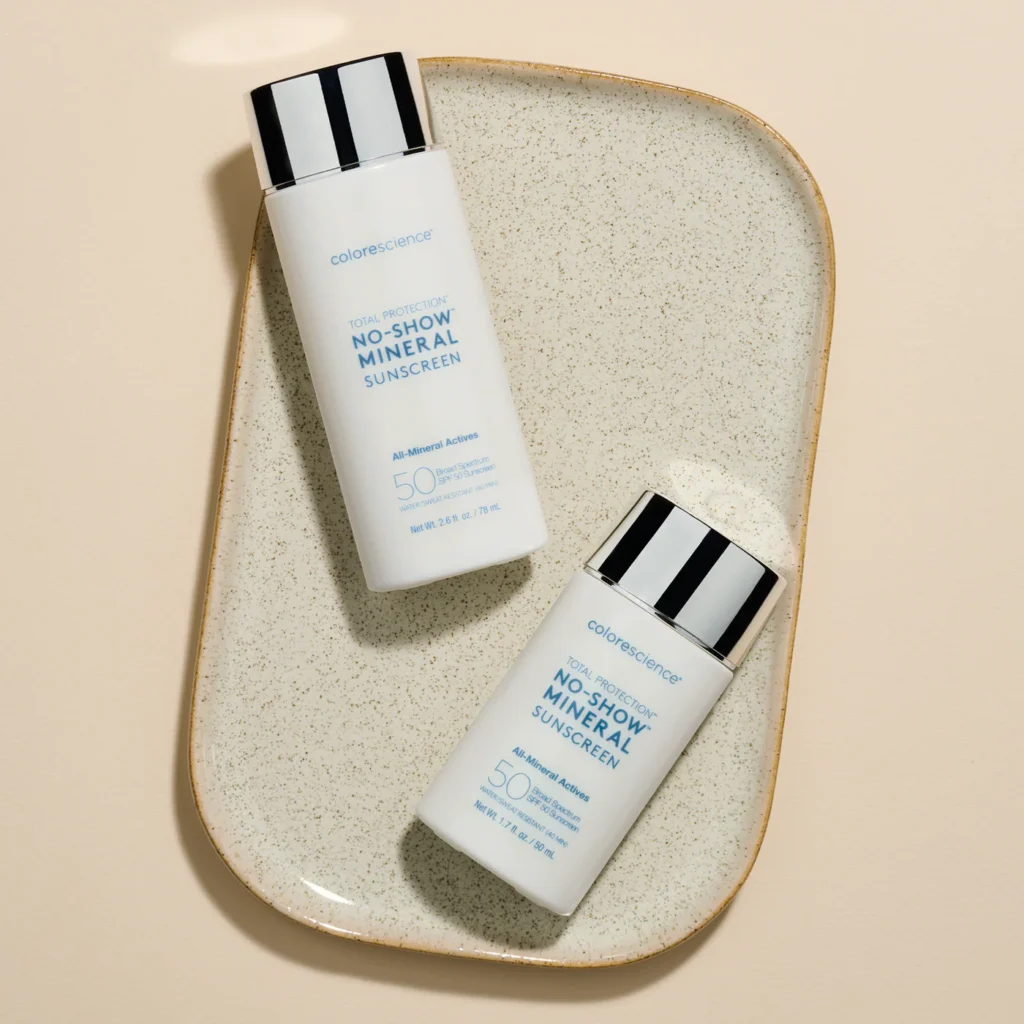
One of the most important parts of learning how to protect skin from sun damage is finding a sunscreen you’ll actually wear consistently. A high quality sunscreen should feel comfortable on your skin, layer well under makeup if needed, and provide broad spectrum protection against both UVA and UVB rays. Many people skip sunscreen simply because they dislike how certain formulas feel, which is why finding the right texture and finish matters more than people sometimes realize.
Daily sunscreen use can help support healthier looking skin over time while also helping reduce the appearance of premature aging caused by sun exposure. SPF 30 or higher is commonly recommended for daily use, especially during summer months when UV exposure tends to increase. Reapplying throughout the day matters too, particularly during outdoor activities, swimming, or long periods in direct sunlight.
There are also more sunscreen options available now than ever before, including mineral formulas, lightweight gels, tinted versions, and hydrating creams. Once you find one that fits naturally into your routine, wearing sunscreen consistently becomes significantly easier overall.
Related: What Is the Difference Between Mineral vs Chemical Sunscreen?
2. Wear UPF Clothing Outside

UPF clothing (this is the best UPF clothing, in our opinion), has become increasingly popular because it offers another practical layer of sun protection without requiring constant reapplication like sunscreen. One of the smartest ways to protect skin from sun damage is combining sunscreen with protective clothing during long periods outdoors. Lightweight UPF fabrics are designed to help block ultraviolet rays while still feeling breathable enough for hot weather.
Many brands now offer stylish UPF options that don’t feel overly athletic or bulky. Swim coverups, lightweight jackets, wide brim hats, and long sleeve beach shirts can all help reduce direct sun exposure while still feeling comfortable during summer heat. This can be especially helpful for beach days, boating, hiking, outdoor sports, and travel.
Protective clothing also helps simplify things during especially sunny days when sunscreen alone may not feel sufficient. Small adjustments in what you wear outside can make a surprisingly noticeable difference over time.
3. Avoid Peak Sun Hours When Possible
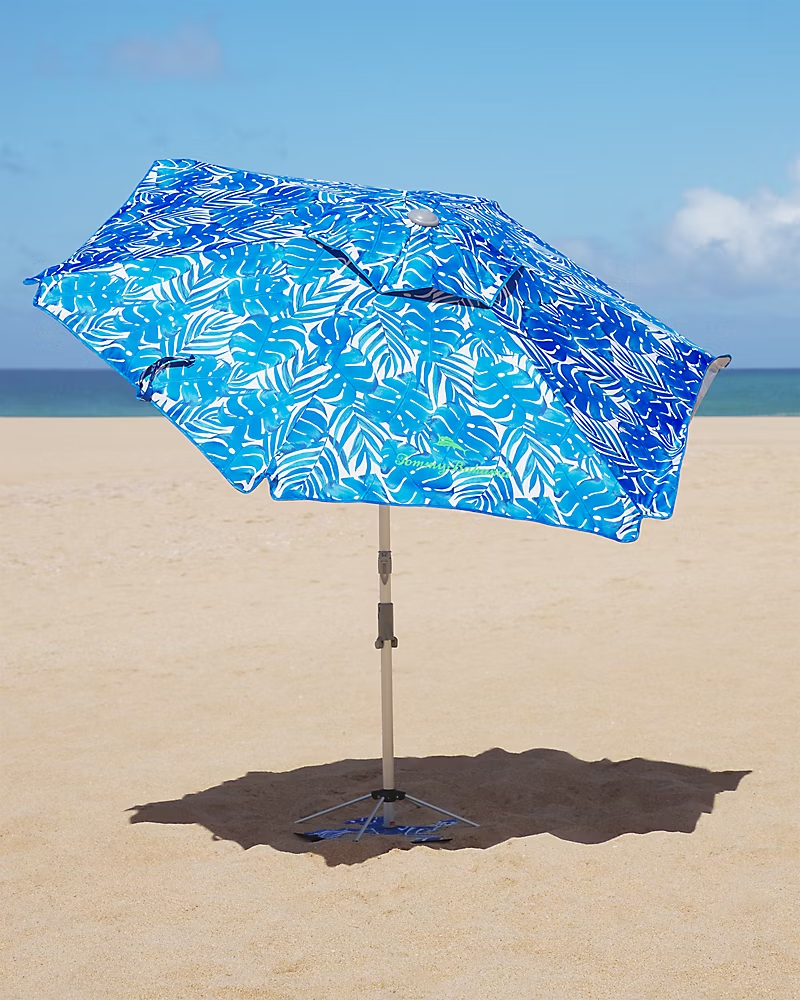
One simple but effective way to protect skin from sun damage is paying attention to when sun exposure tends to be strongest throughout the day. Midday hours often bring more intense ultraviolet exposure, especially during summer months. While it’s not always realistic to avoid being outside completely, even small adjustments can help reduce unnecessary exposure.
Seeking shade during peak heat, scheduling workouts earlier, or planning outdoor activities later in the afternoon can help support healthier skin while also making summer activities feel more comfortable physically. If you really need to be outside during peak sun hours, we recommend investing in a good beach umbrella to shade yourself wherever you are. Heat and UV exposure together can become exhausting surprisingly quickly, especially during long stretches outside.
4. Keep Your Skin Hydrated

Hydrated skin generally handles environmental stress more effectively, especially during hot weather and sun exposure. One important part of how to protect skin from sun damage is supporting the skin barrier with enough moisture internally and externally. Heat, sweat, salt water, chlorine, and sun exposure can all leave skin feeling dry or irritated if hydration gets overlooked.
Drinking enough water consistently helps support overall skin health, while hydrating skincare products can help replenish moisture lost during time outside. Ingredients like hyaluronic acid, glycerin, ceramides, and aloe vera are especially popular during summer because they help support hydration without feeling overly heavy.Shop up to 40% off Shark Beauty, Redken, and more at Ulta Beauty during the Big Summer Beauty Sale!
5. Wear Sunglasses and Hats Regularly

Accessories can actually play a major role in how to protect skin from sun damage, especially around delicate areas like the eyes and face. Sunglasses help protect the sensitive skin around the eyes while also supporting eye comfort during bright conditions. Wide brim hats can provide additional shade for the forehead, cheeks, scalp, and neck during outdoor activities.
Many people focus only on sunscreen while forgetting how much direct exposure certain areas receive during long days outside. Accessories become especially useful during beach trips, outdoor dining, travel, and summer events where reapplying sunscreen constantly may feel inconvenient.
Protective accessories also tend to make outdoor time feel much more comfortable overall. Staying cooler and reducing squinting in bright sunlight can noticeably improve long days spent outside.
Related: Best Sunglasses to Fit Your Face Shape
6. Add Antioxidants to Your Skincare Routine
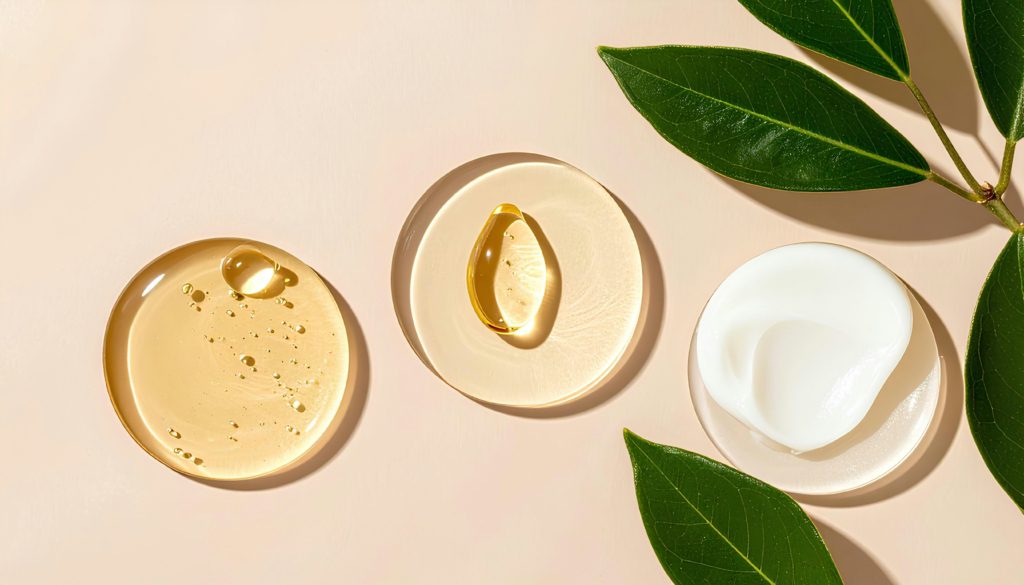
Antioxidants are commonly included in skincare routines because they help support the skin against environmental stressors, including sun exposure. Vitamin C, niacinamide, and green tea extract are especially popular ingredients in products designed to support brighter, healthier looking skin. One helpful way to protect skin from sun damage is pairing sunscreen with antioxidant based skincare products during the daytime.
Many people enjoy vitamin C serums in the morning because they layer well under sunscreen while supporting overall skin appearance. Antioxidants can help support more even looking skin over time, especially when combined with consistent sun protection habits.
Common Questions About Protecting Your Skin From Sun Damage
- How can you protect skin from sun damage? Wearing sunscreen, protective clothing, hats, and avoiding excessive sun exposure can help protect skin from sun damage.
- How often should sunscreen be reapplied? Sunscreen is generally recommended to be reapplied every two hours, especially after swimming or sweating.
- Does UPF clothing help protect skin? Yes, UPF clothing is designed to help block ultraviolet rays and support sun protection.
- Can sun damage happen on cloudy days? Yes, ultraviolet rays can still affect the skin even when it’s cloudy outside.
- What SPF should you use daily?
Many dermatologists recommend using a broad spectrum sunscreen with SPF 30 or higher daily. - Does sun damage cause premature aging? Sun exposure can contribute to wrinkles, dark spots, and other visible signs of premature skin aging.
- Should you wear sunscreen indoors? Some people choose to wear sunscreen indoors, especially if they spend time near windows or screens with strong light exposure.
- What ingredients help support skin after sun exposure? Ingredients like aloe vera, hyaluronic acid, niacinamide, and antioxidants are commonly used in skincare routines after sun exposure.
Have Fun in the Sun While Protecting Your Skin
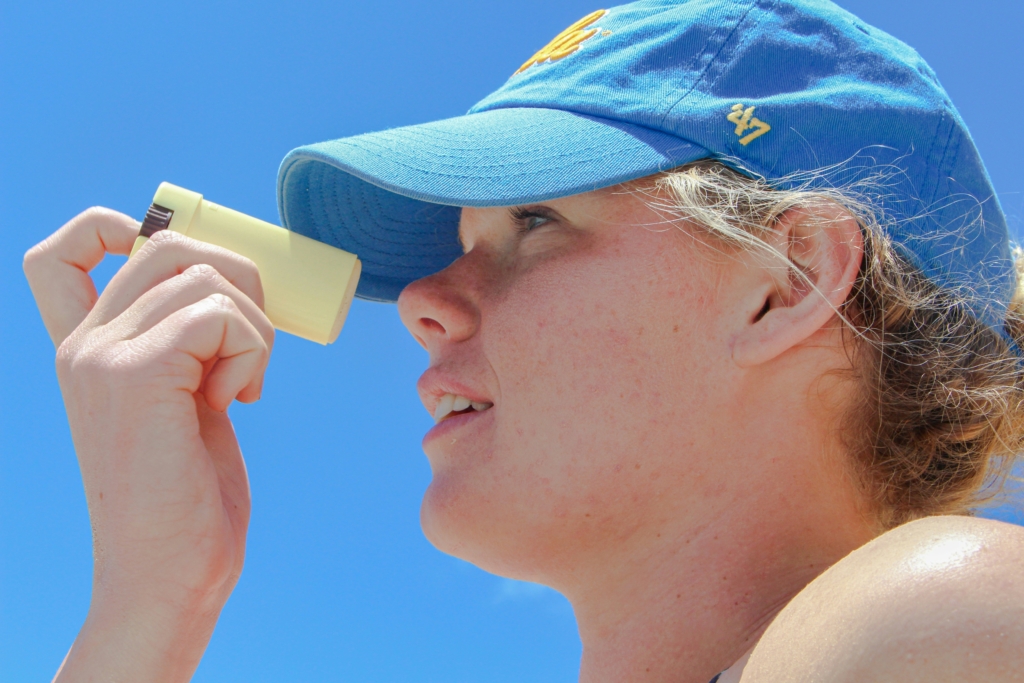
Sun protection tends to feel much less important until signs of damage start becoming more noticeable over time. Learning how to protect skin from sun damage early can help support healthier looking skin while making your overall skincare routine much more effective long term. Small habits really do add up more than people expect.
The good news is that protecting your skin doesn’t mean avoiding summer completely or turning your routine into something overly complicated. Understanding how to protect skin from sun damage usually comes down to consistency, smart habits, and finding products and routines that realistically fit your lifestyle. Sunscreen, hydration, UPF clothing, and daily awareness can make a surprisingly big difference.
If you’ve been wanting healthier looking skin while still enjoying everything summer has to offer, now’s honestly a great time to start building stronger protective habits. Learning how to protect skin from sun damage can help support your skin both now and years from now, which makes those small daily choices feel even more worthwhile over time.